

CES National Health Conference: Sustainable Financing, Innovation and System Resilience
Carol I Central University Library, Bucharest | October 7, 2026
Romania’s healthcare system faces a critical challenge: ensuring long-term financial sustainability while improving access to medical services, accelerating digital transformation and strengthening its capacity to respond to future crises. As priorities for 2027 take shape, predictable financing, more effective use of resources and a stronger focus on patient outcomes are becoming central to the healthcare policy agenda.
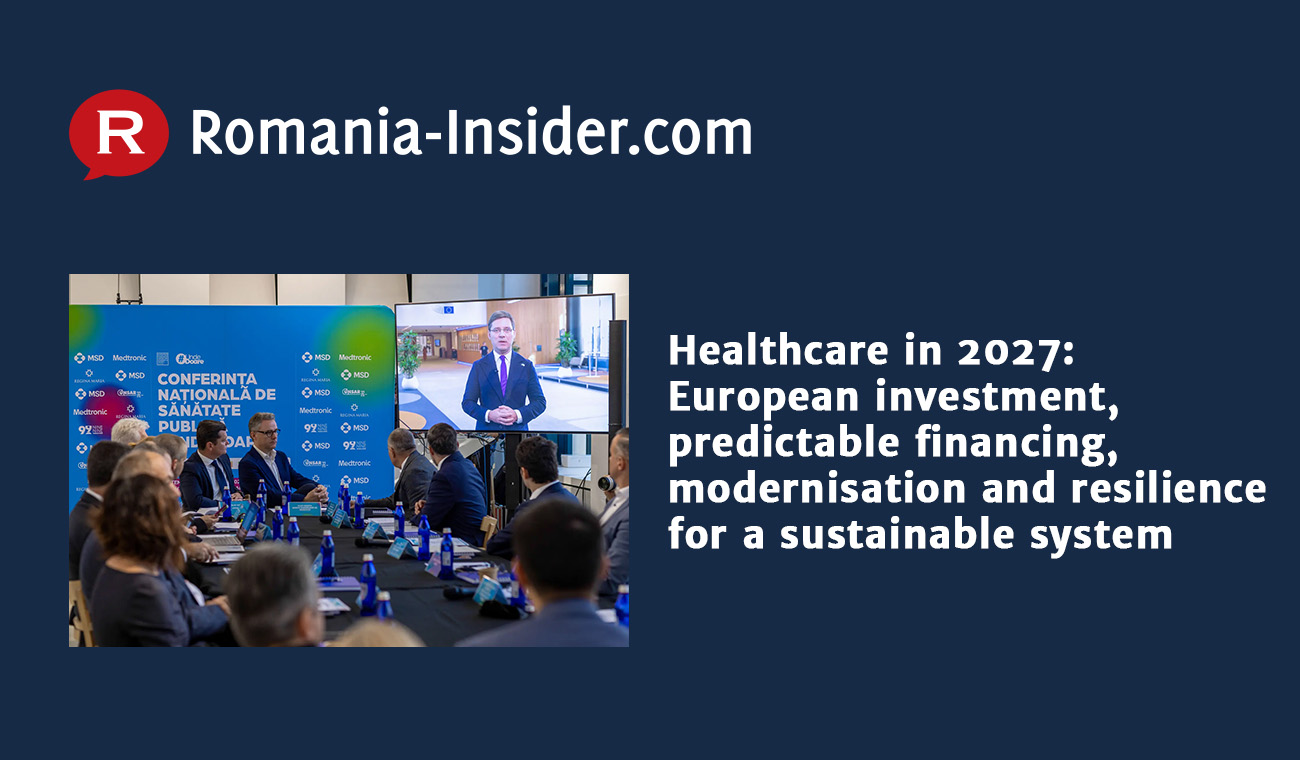
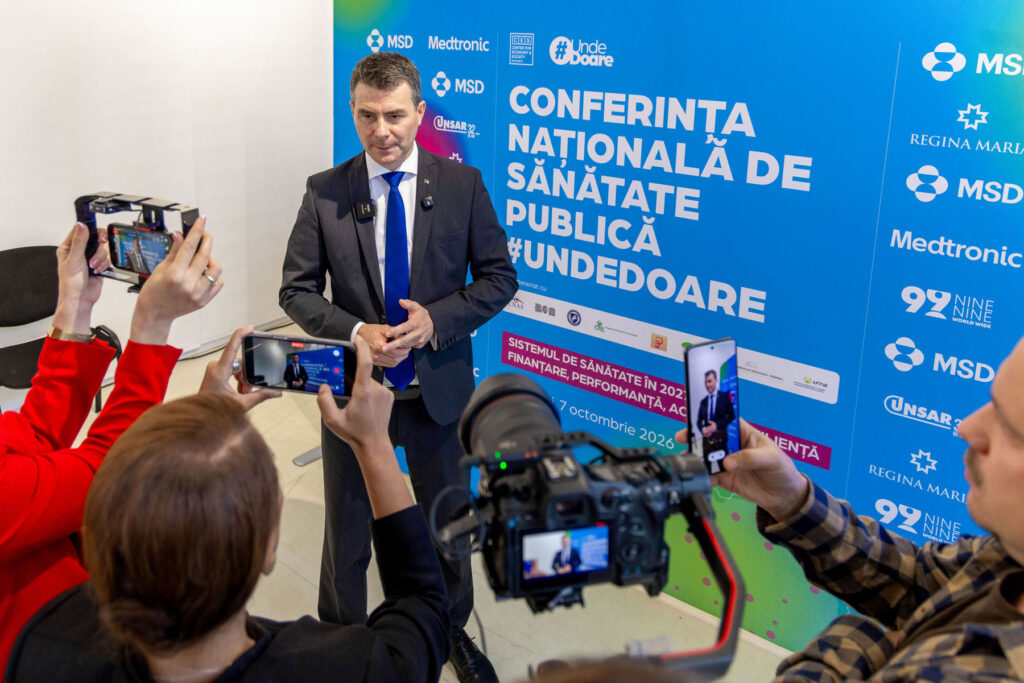
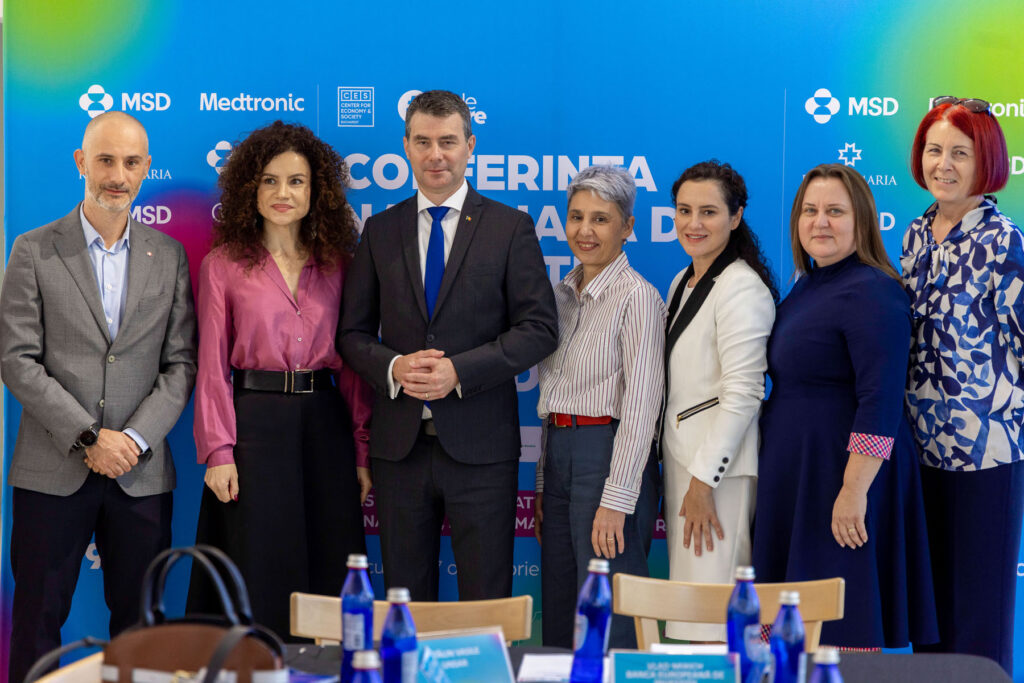
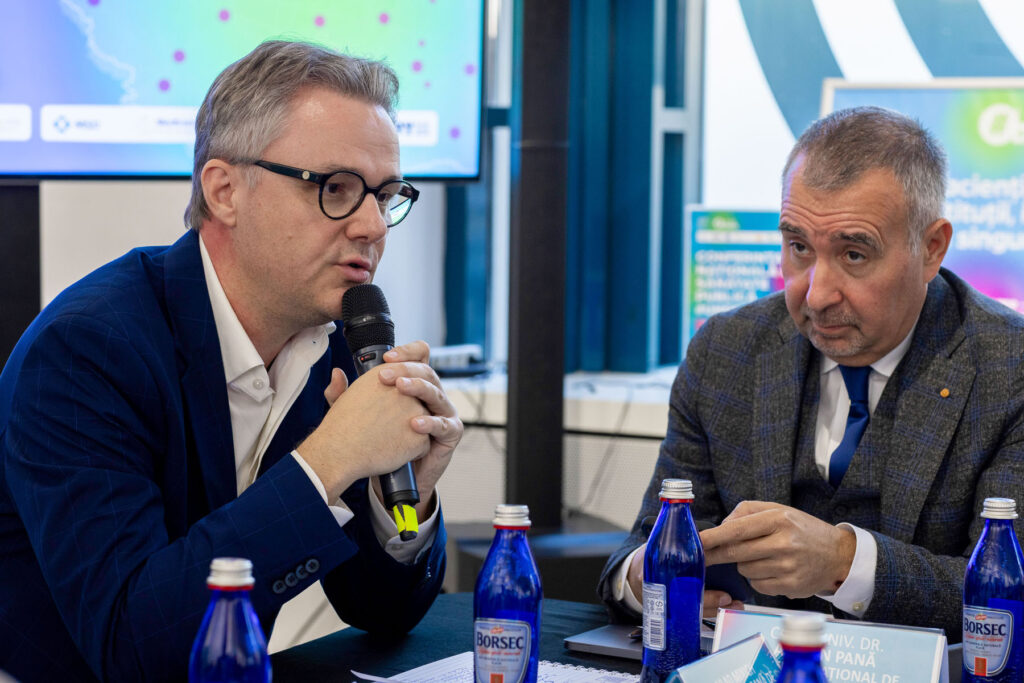
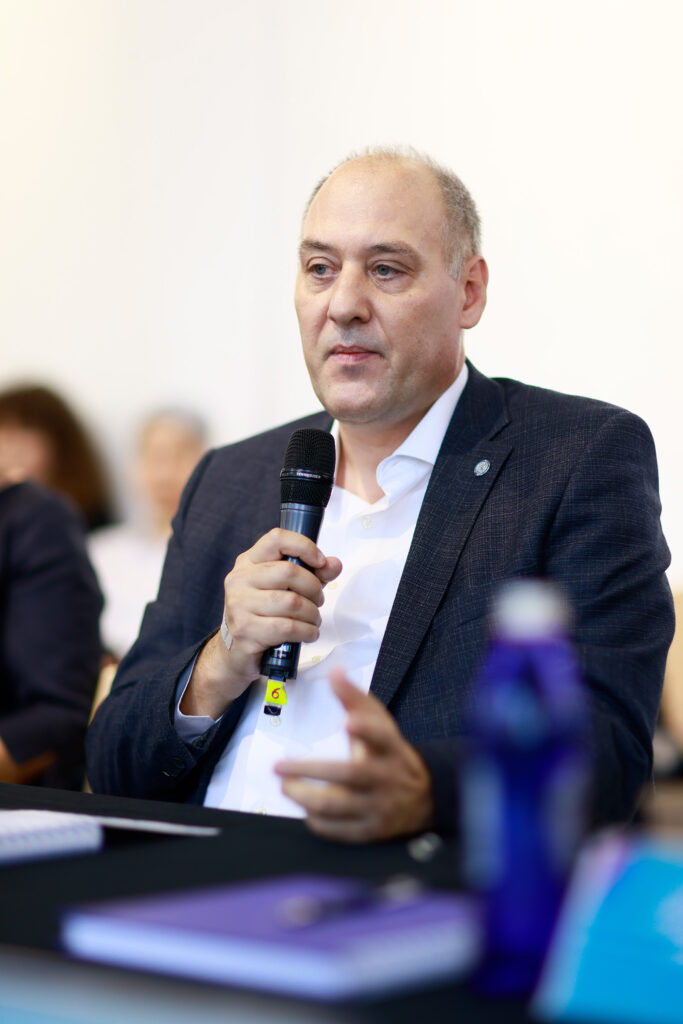
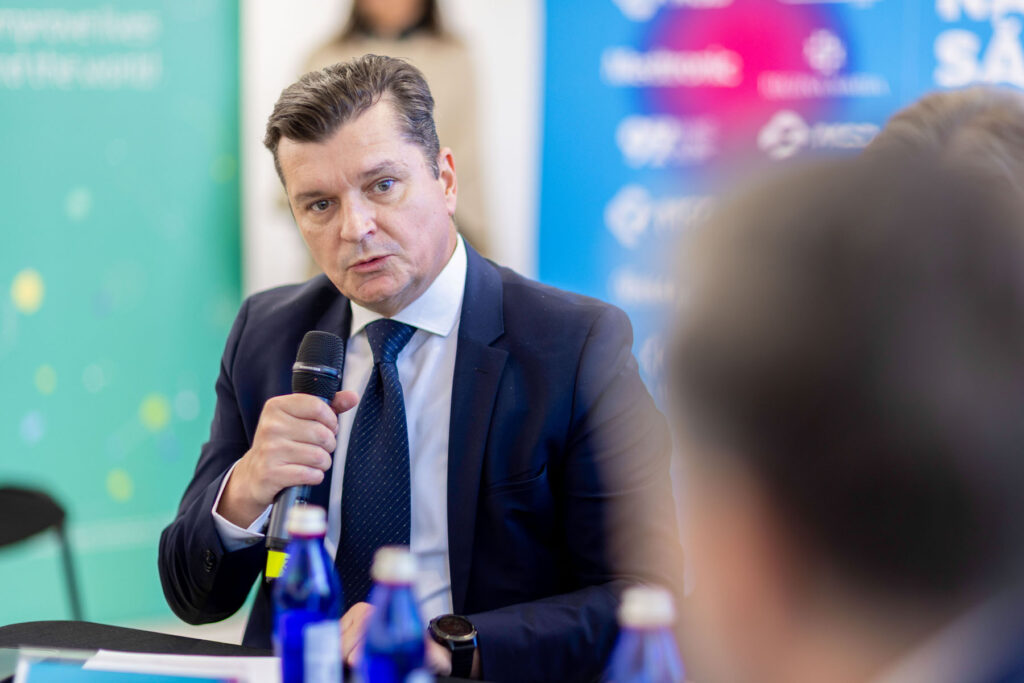
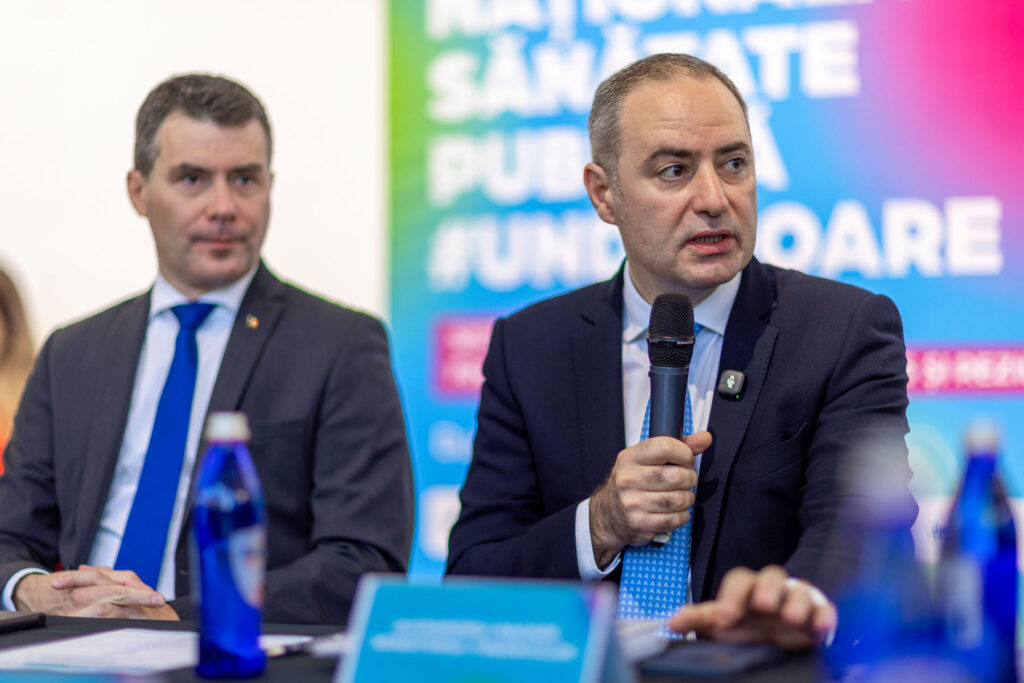
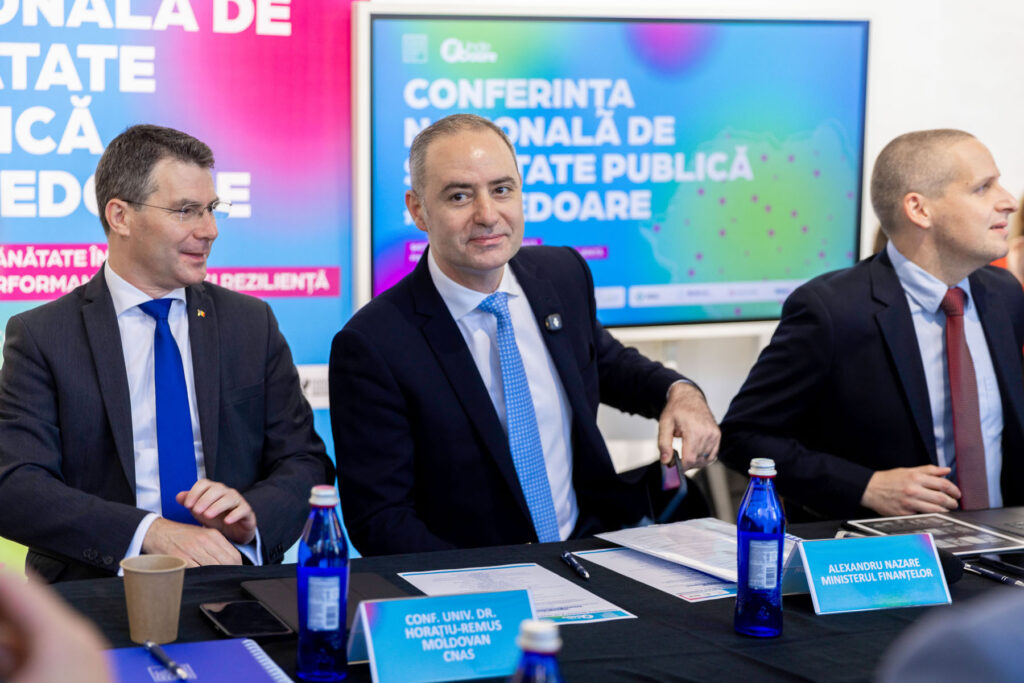
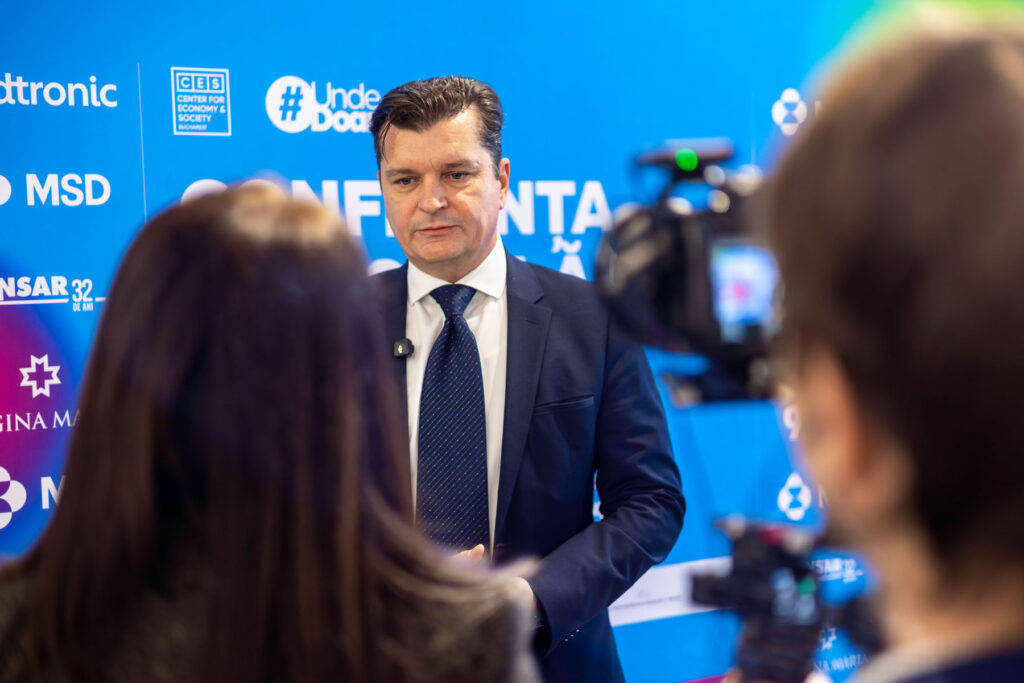
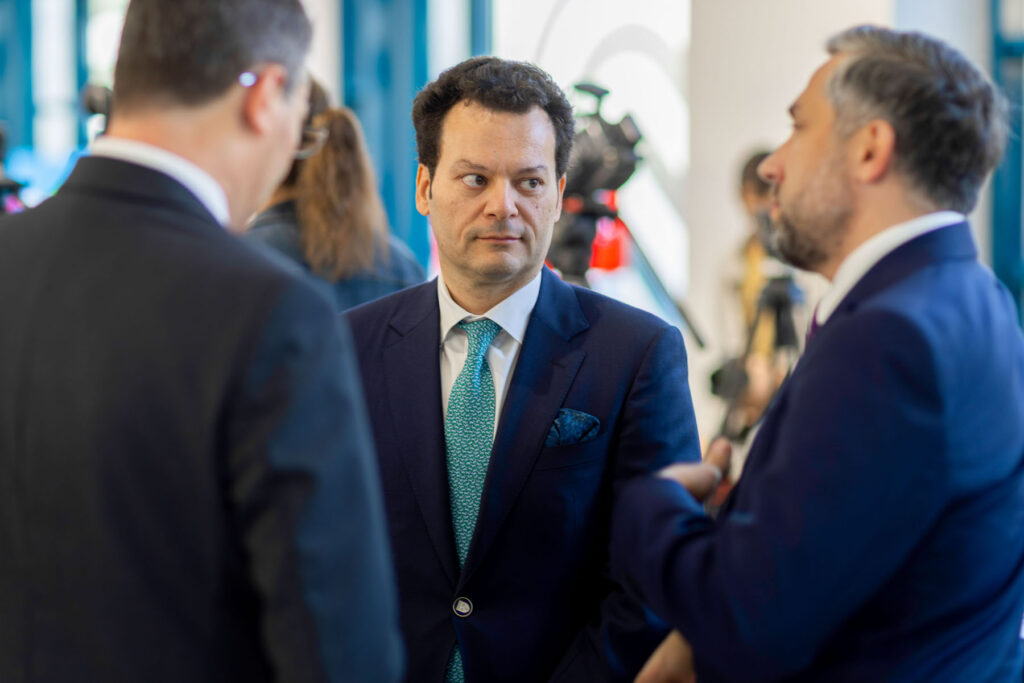
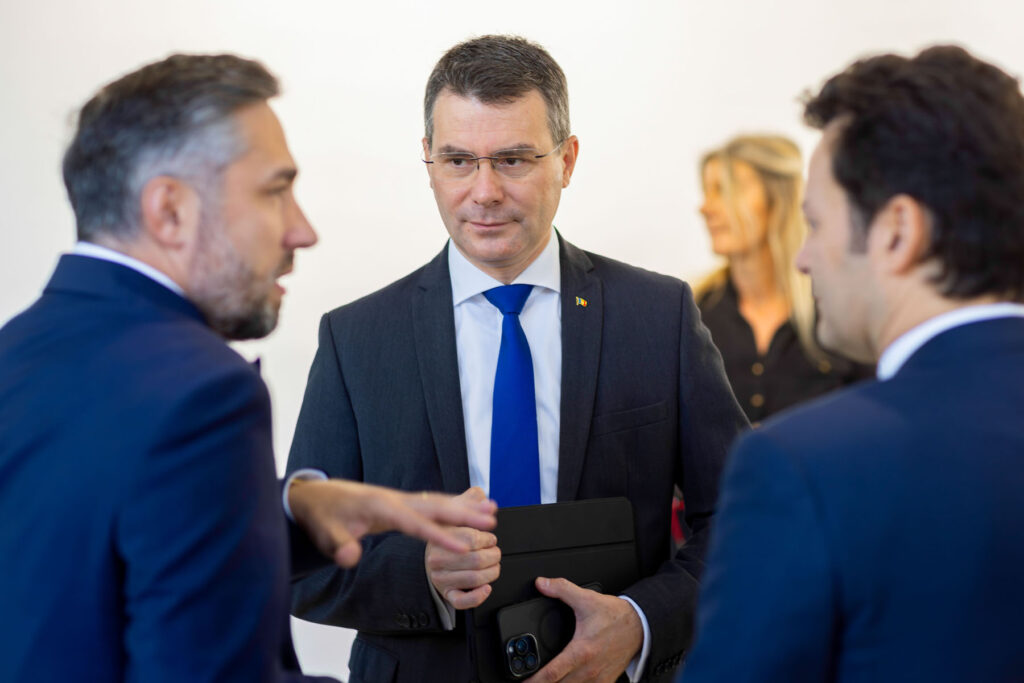
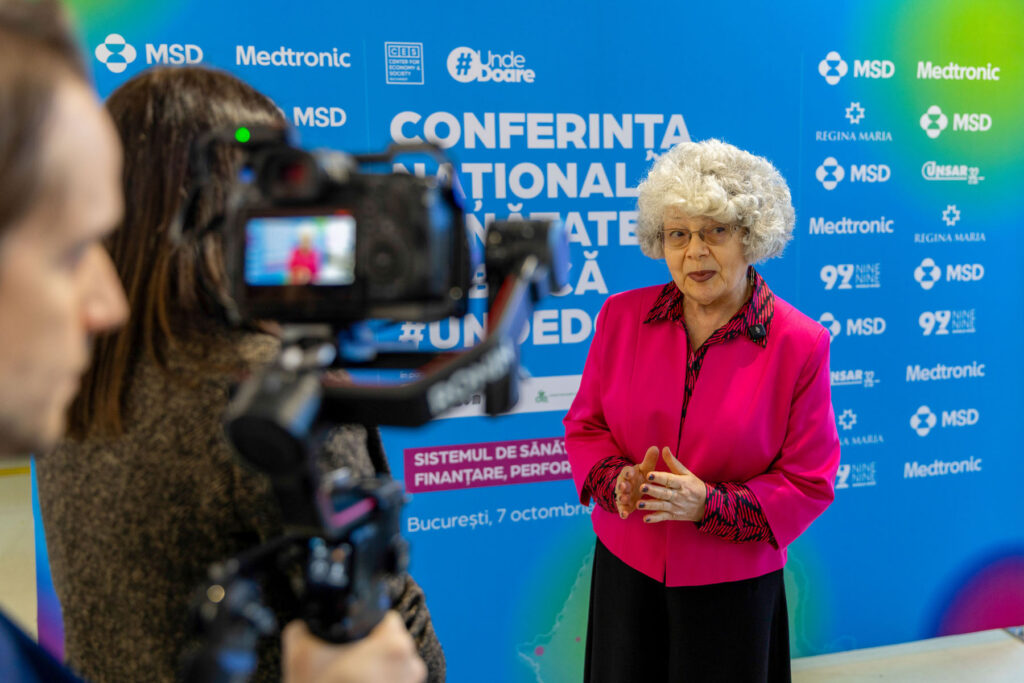
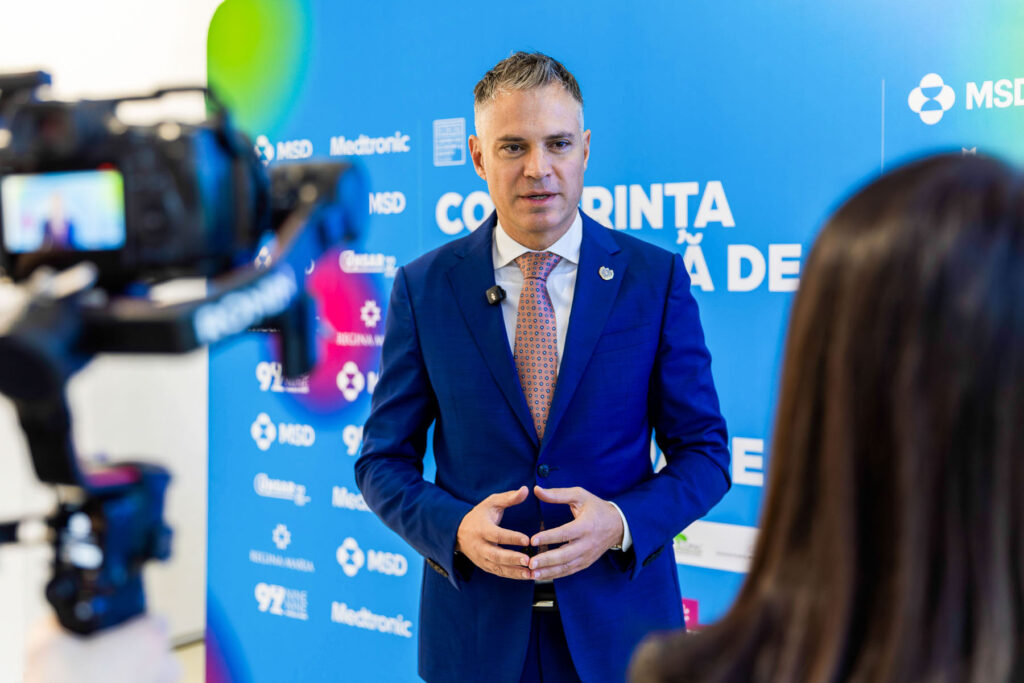
Organized by CES Bucharest on October 7, the National Public Health Conference #UndeDoare brought together representatives of the European Parliament, Romanian Government, national and international institutions, healthcare professionals, patient organizations, private industry leaders and mass-media.
The conference provided a framework for examining the structural challenges facing Romania’s healthcare system and identifying policy directions capable of supporting its long-term sustainability, performance and resilience.
Discussions highlighted the importance of diversifying healthcare financing and developing a more predictable framework. Speakers also addressed the need to move beyond investment in infrastructure alone. Sustainable healthcare investment requires adequate medical personnel, effective service delivery and long-term operational planning, ensuring that new facilities and technologies translate into tangible improvements for patients.
Digital transformation emerged as another essential priority. The discussions emphasized the role of interoperable health information systems, secure digital infrastructure and better use of healthcare data in improving coordination, supporting clinical decisions and increasing system efficiency.
At the same time, participants highlighted the importance of strengthening preventive care and primary healthcare services. A more sustainable system requires a gradual shift from predominantly reactive treatment towards earlier intervention, prevention and healthcare models that measure value through patient outcomes.
Healthcare resilience was also addressed as a strategic priority, with particular attention to institutional coordination, continuity of medical services and the capacity to maintain essential healthcare functions during emergencies and crises.
The conference reinforced a common policy direction: the sustainability of Romania’s healthcare system depends not only on additional resources, but also on how effectively financing, infrastructure, innovation and institutional capacity are translated into better healthcare outcomes.
By bringing together institutional perspectives, medical expertise and the experience of patients and industry, CES Bucharest contributed to advancing a policy-oriented discussion on the structural transformations and investments needed to build a more accessible, efficient and resilient healthcare system in Romania.
Explore other CES Health events:
CES Health: Applied Multi-Stakeholder Dialogue – My e-Health National Digital Platform
As rapporteur in the European Parliament’s Committee on Public Health, I proposed a dedicated health chapter in the future National and Regional Partnership Plans and called for a minimum allocation of EUR 20 billion for investment in health. At the same time, I called for maintaining the European Union’s health programme, EU4Health, and for keeping a dedicated European health instrument. (…) I have also requested dedicated funding for health in the future European Competitiveness Fund, which will be a substantial one.
Victor Negrescu, Vice-President of the European Parliament
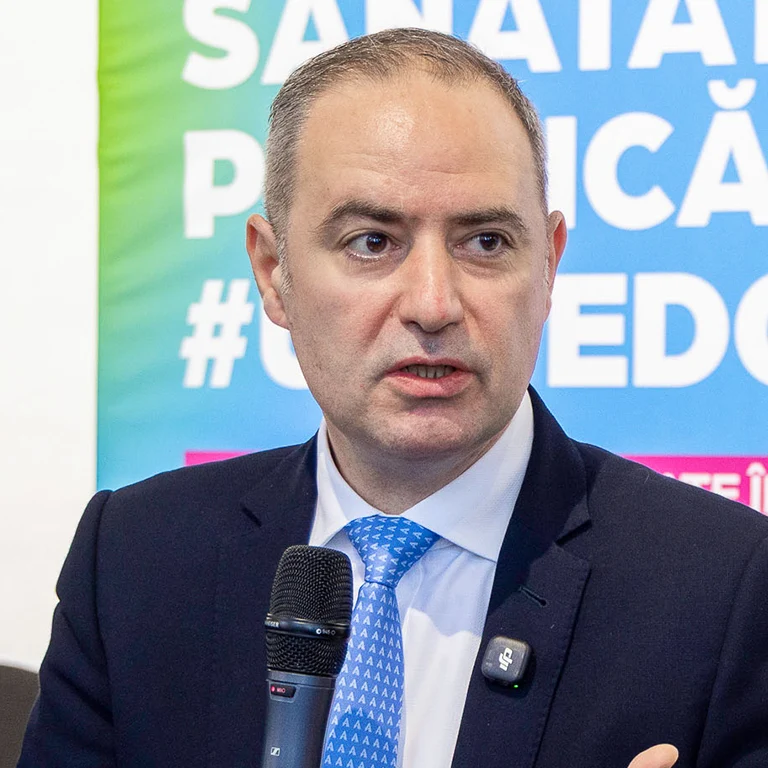
We need much better planning and greater predictability, and this planning can only be carried out together with the main stakeholders in the healthcare sector. (…) We must look at healthcare budgets within a multiannual framework, so that we have visibility beyond a single year. Fiscal discipline and fiscal consolidation guarantee predictable payments in healthcare. If we stay on this path, our fiscal position will stabilise by around 2030, we will exit the excessive deficit procedure and close this chapter that has penalised Romania.
Alexandru Nazare, Minister of Finance

Romania’s healthcare system has been undergoing profound change for the past 15–20 years. Twenty years ago, it was predominantly public; today, it is predominantly private. Expenditure by the National Health Insurance House has increased by 39% in three years and approximately 60% of payments now go to private providers. A complementary relationship between the public and private sectors has developed naturally, but it has not yet been clearly defined in the hospital sector.
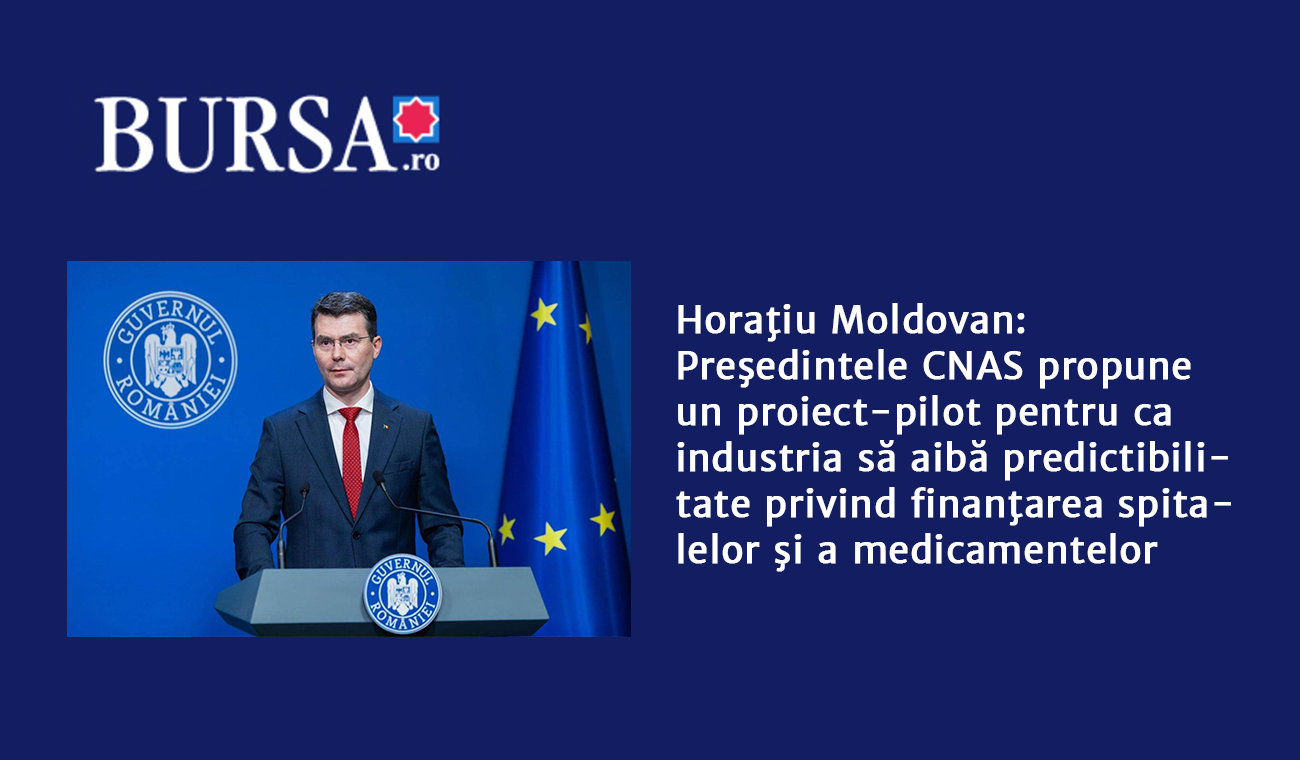
Horațiu Moldovan, President, National Health Insurance House (CNAS)

When discussing healthcare financing in 2027 and the years ahead, we must ask ourselves a very important question: what kind of healthcare system do we want to build? From my perspective, medical technologies are part of the answer. They are present throughout the patient journey, from prevention and diagnosis to treatment and monitoring, and they enable patients to receive care at home, close to their families.
Hans Bax, Senior Advisor, Value & Innovation-based Access, MedTech Europe
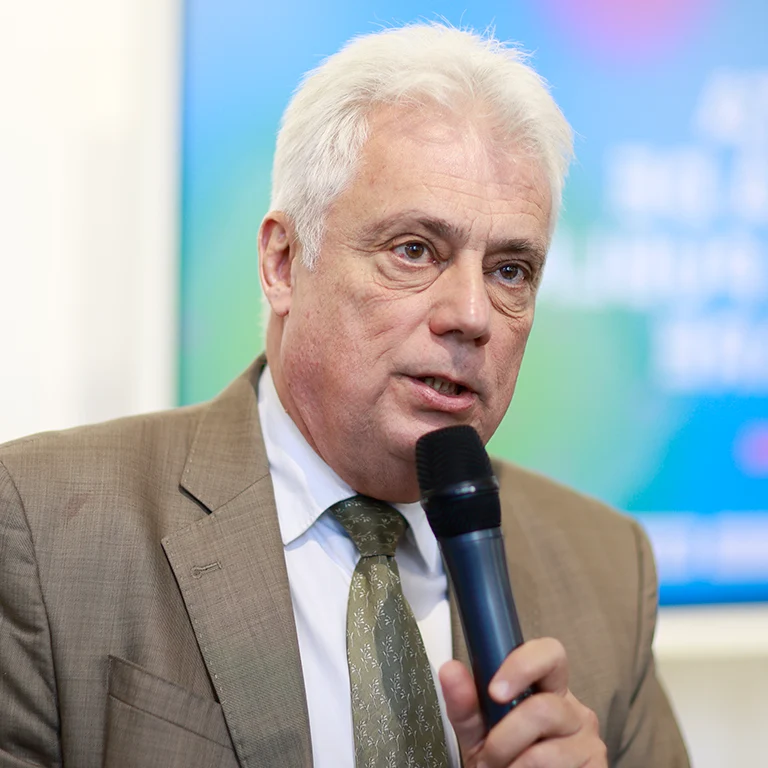
Resilience concerns a society’s ability to withstand disruption and return to normality at a higher level of sustainability. At NATO level, seven baseline requirements were established as early as 2016, two of which are directly related to the healthcare system: continuity of government and public services and the management of emergencies involving population movements and humanitarian crises.
Lucian Fatu, State Secretary, President of the Euro-Atlantic Resilience Centre (E-ARC), Ministry of Foreign Affairs (MAE)
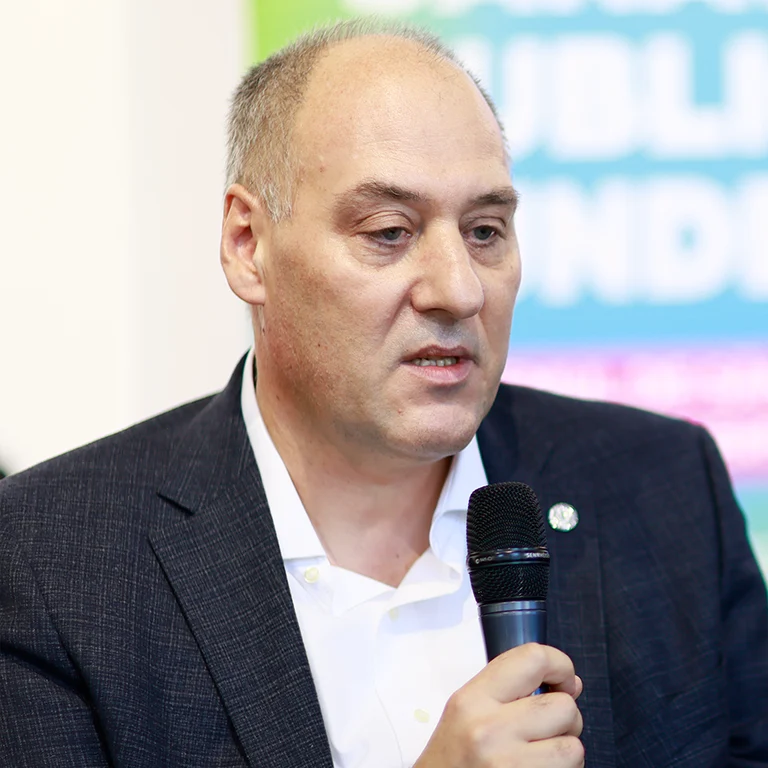
Resilience requires at least three dimensions. First, human resilience, because nothing can be achieved without well-trained people, whether in the technical or medical field. Second, technological resilience, where technology supports people. And finally, resilience of ideas, meaning continuity in everything we do.
Major General Eng. Gabriel David, First Deputy Director, Special Telecommunications Service (STS)

Any major investment in Romania’s healthcare system must demonstrate the sustainability of human resources over the medium and long term. There is little point in building new hospitals or renovating existing ones if we do not have the doctors and nurses, with the required specialisations and in sufficient numbers, to operate a hospital according to the standards of 21st-century medicine.
Vlad Mixich, Health Policy Expert and Team Leader, European Investment Bank (EIB)
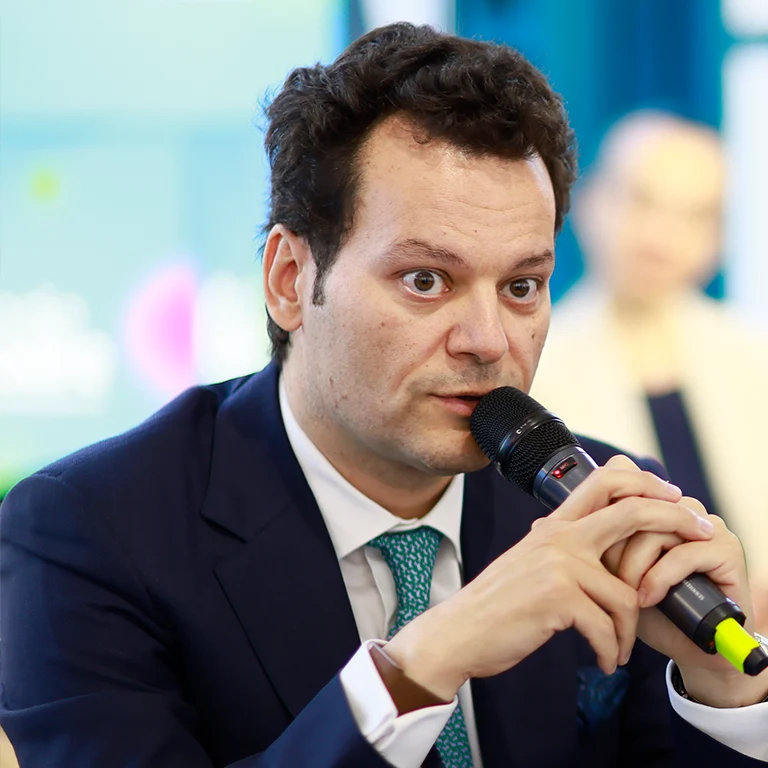
By 2030, a large number of people will be retiring, but what is more concerning for us in the healthcare services sector is that many doctors and nurses will also retire. We therefore have a structural demographic problem in Romania that we are not currently discussing, but which will certainly have a significant impact, not only financially but also socially, in the coming years.
Fady Chreih, CEO, REGINA MARIA Healthcare Network

Improving the efficiency of the healthcare system will only be possible when outcomes are linked to financing. In other words, when we move from what is known as fee-for-service, meaning payment based on the number of services provided regardless of their results, to what is known as value-based care, where the outcomes achieved through the services we provide also matter. We simply need to look at what others have done and try to adapt it to our country’s circumstances.
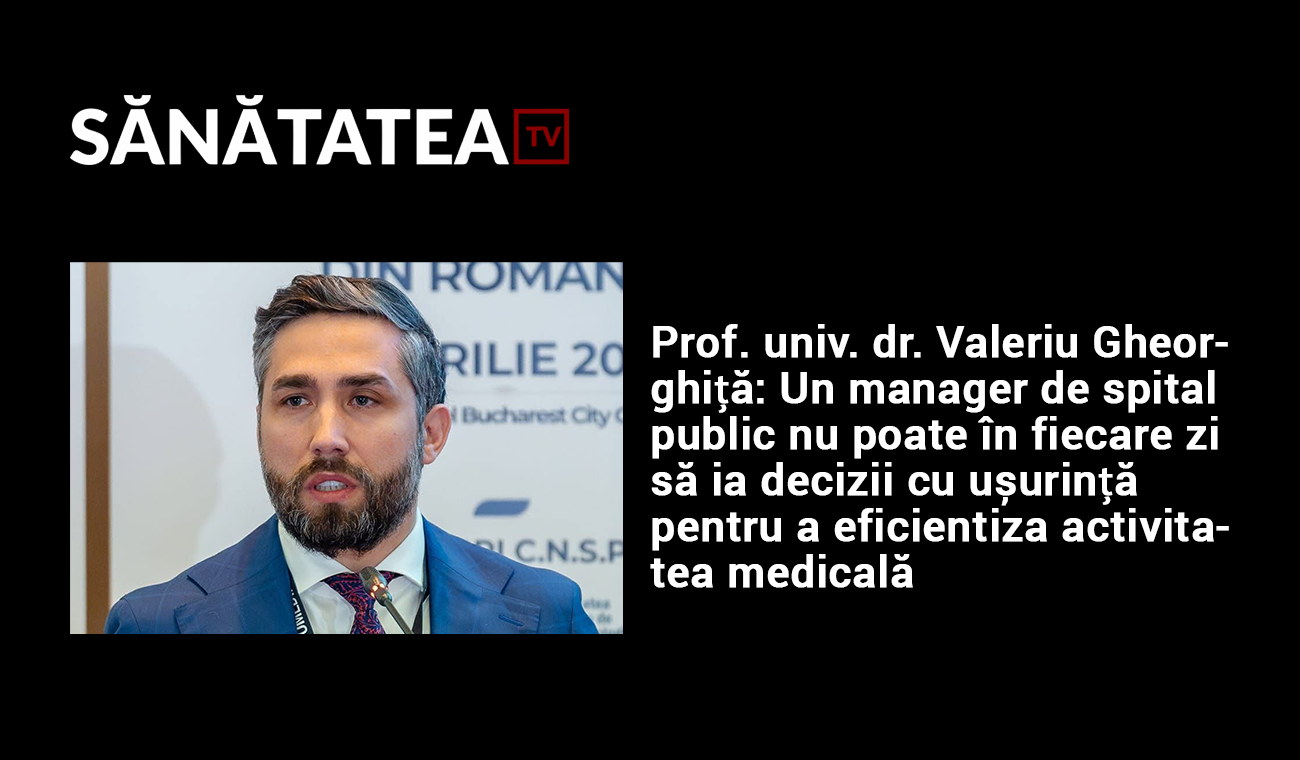
Prof. Valeriu Gheorghiță, MD, PhD, Director General, Prof. Dr. Agrippa Ionescu Emergency Clinical Hospital, Member of the Infectious Diseases Commission of the Romanian College of Physicians
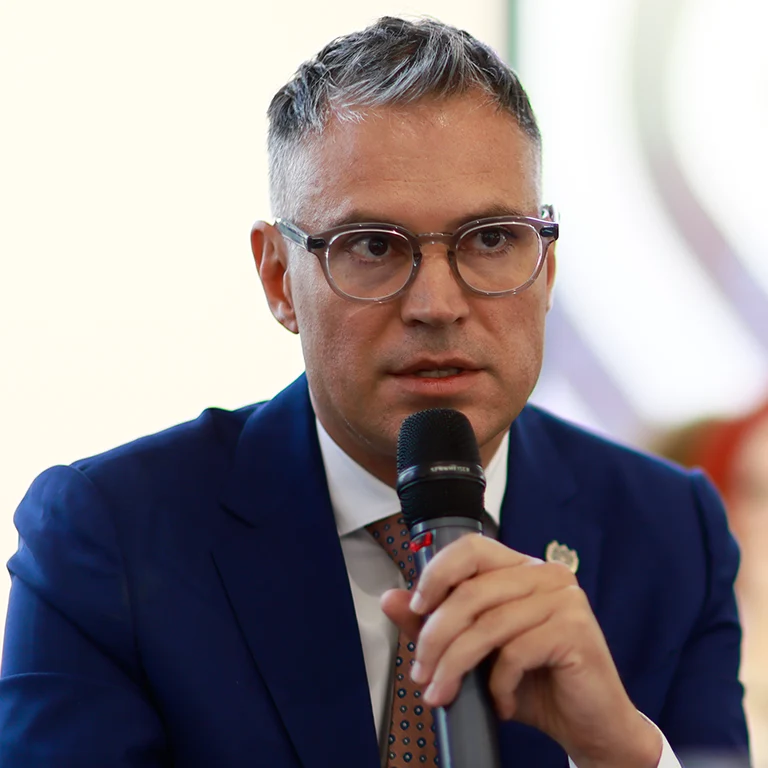
Given budgetary constraints, we consider investment in prevention a priority. A gradual shift from reimbursing curative treatments towards preventive treatments could bring us long-term benefits. At the same time, investment in education is needed, so that health education classes become part of the school curriculum.
Dr. Florin Dan Cezar Lazarescu, President, Romanian Dental Council
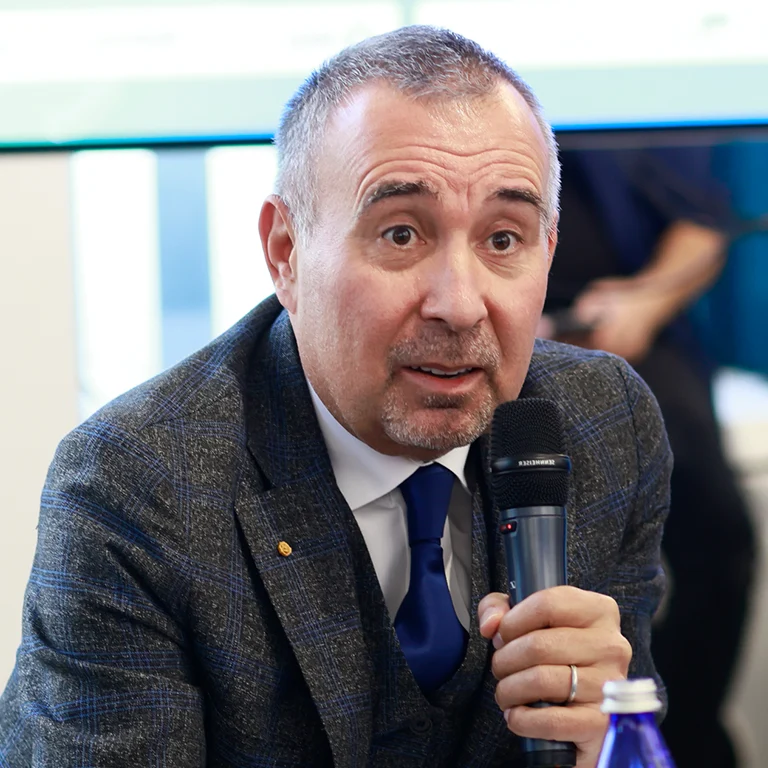
Romania ranks 116th in life expectancy at birth, while spending 6.6% of GDP. We are not comparing ourselves with countries that spend 10% of GDP, but Albania, Cuba, Costa Rica, Ecuador, Algeria and Tunisia have life expectancy figures close to 80 years. Because they have invested in primary care. They do not have the money for extraordinarily expensive technologies, but they have understood that life expectancy increases when people have drinking water, access to sanitation, properly collected waste and healthy food.
Assoc. Prof. Adrian Pana, MD, PhD, Director, National Centre for Public Health Statistics, National Institute of Public Health (INSP)
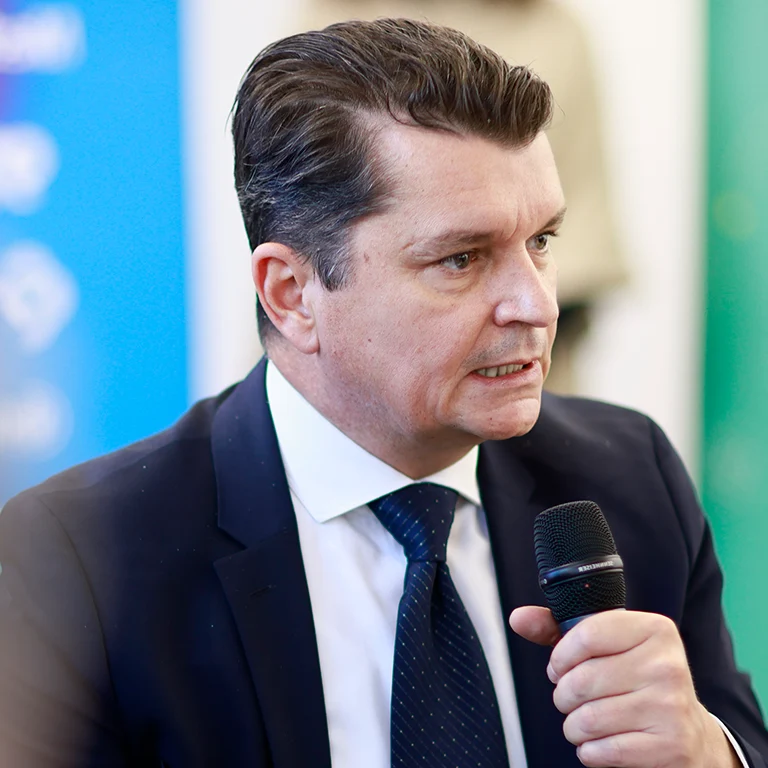
The public system will never be able to keep pace with every need. Beyond the social contract that has traditionally existed between individuals and the state, I believe people need to take greater responsibility for their own health, while employers should play a greater role in retaining employees, beyond the salary-for-work transaction.
Catalin Vasile, Board Member, National Union of Insurance and Reinsurance Companies in Romania (UNSAR)

Digitalisation would be a breath of fresh air for pharmacies in Romania. If the electronic health record were integrated into the platform, pharmacists could access patients’ medical histories. This would mean monitoring treatment adherence, being aware of allergy-related issues and being able to respond when an electronic prescription presents a risk of drug interactions.
Anca Crupariu, Pharmacist, Spokesperson, Romanian College of Pharmacists
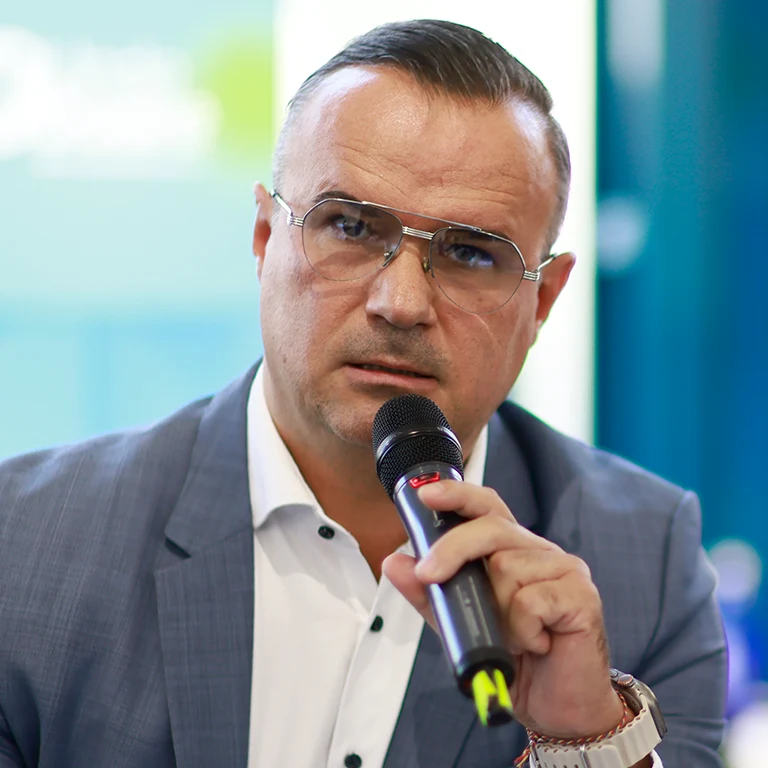
Investment in private healthcare is not an expense; it is an economic multiplier. Through direct, indirect and induced effects, private healthcare providers generate more than €8 billion in gross value added, equivalent to 3% of GDP. Furthermore, every euro generated in the private healthcare system produces an additional €4.7 in the economy, while every additional €1 million in turnover in private healthcare generates approximately 54 jobs in the Romanian economy.
Razvan Vulcanescu, Strategic Public Relations Partner, PALMED