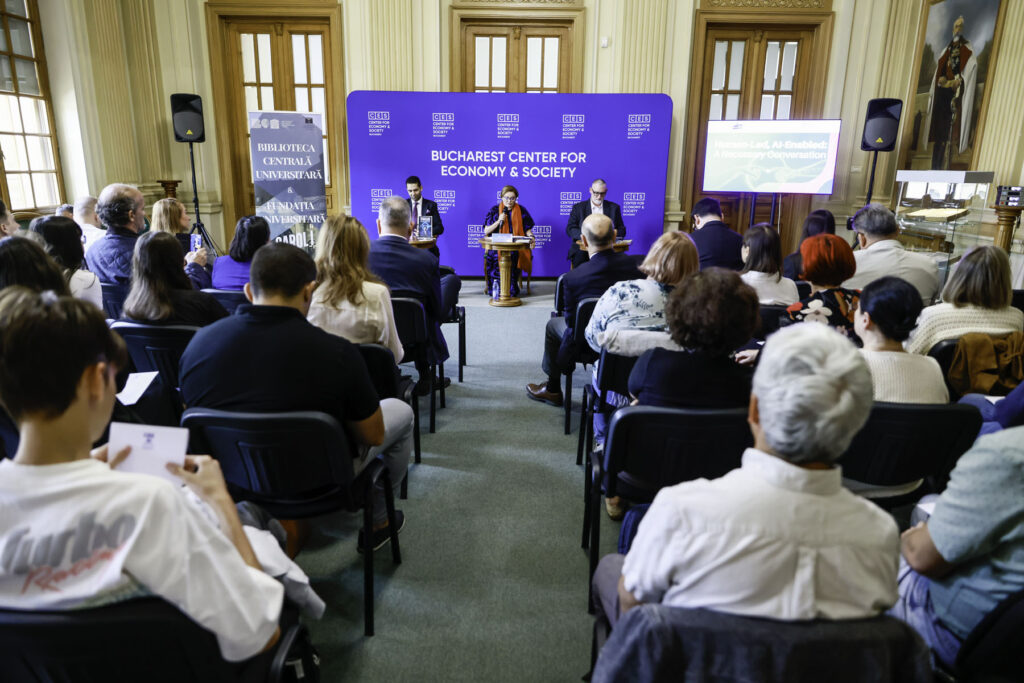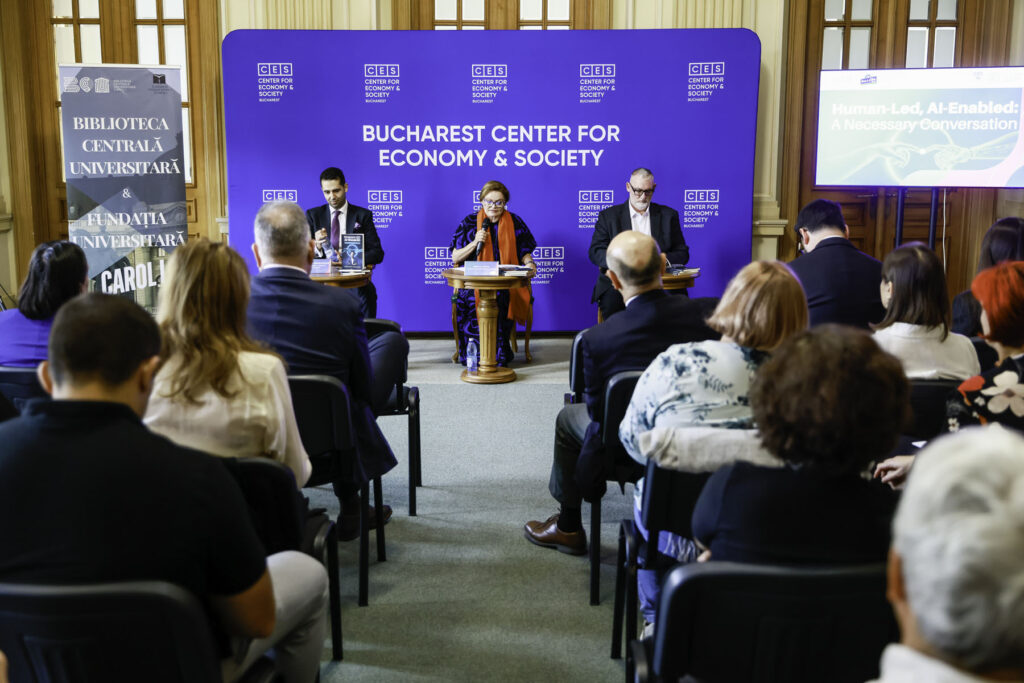


CES AI Institute: Human-Led, A.I.-Enabled, A Highly Necessary Conversation
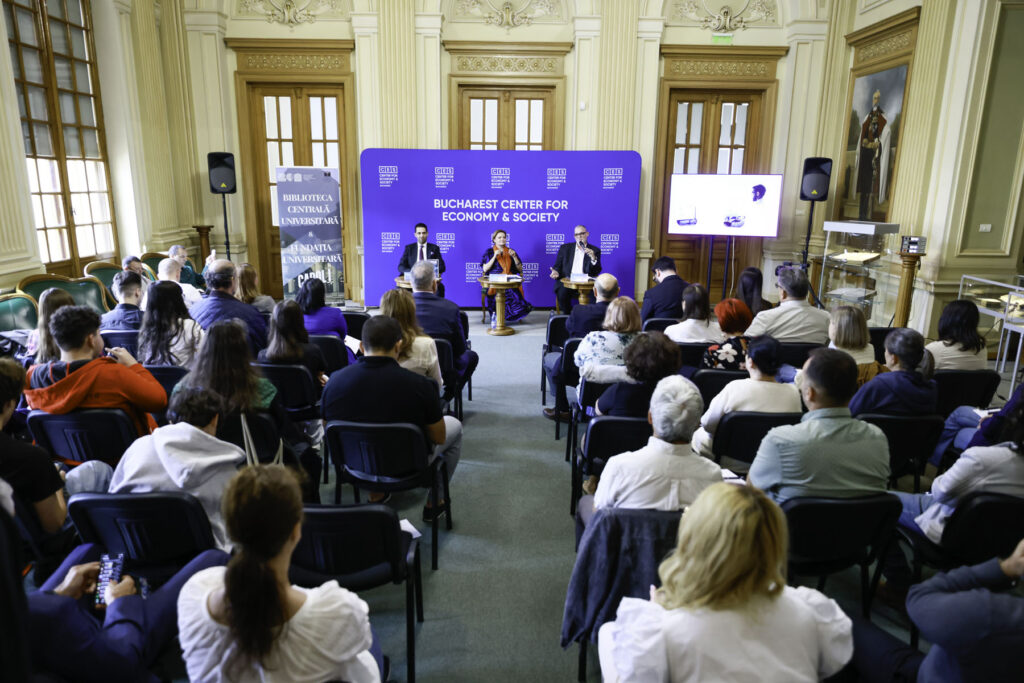
Carol I Central University Library, Bucharest, September 25, 2026
Artificial Intelligence is becoming part of everyday life in Romania, yet its integration into organizations remains limited. While 83% of Romanians say they use AI tools, only 15.4% use them at work. At the same time, Romania ranks last in the European Union for AI adoption among businesses, with just 5.2% of companies using the technology, compared with 20% across the EU.
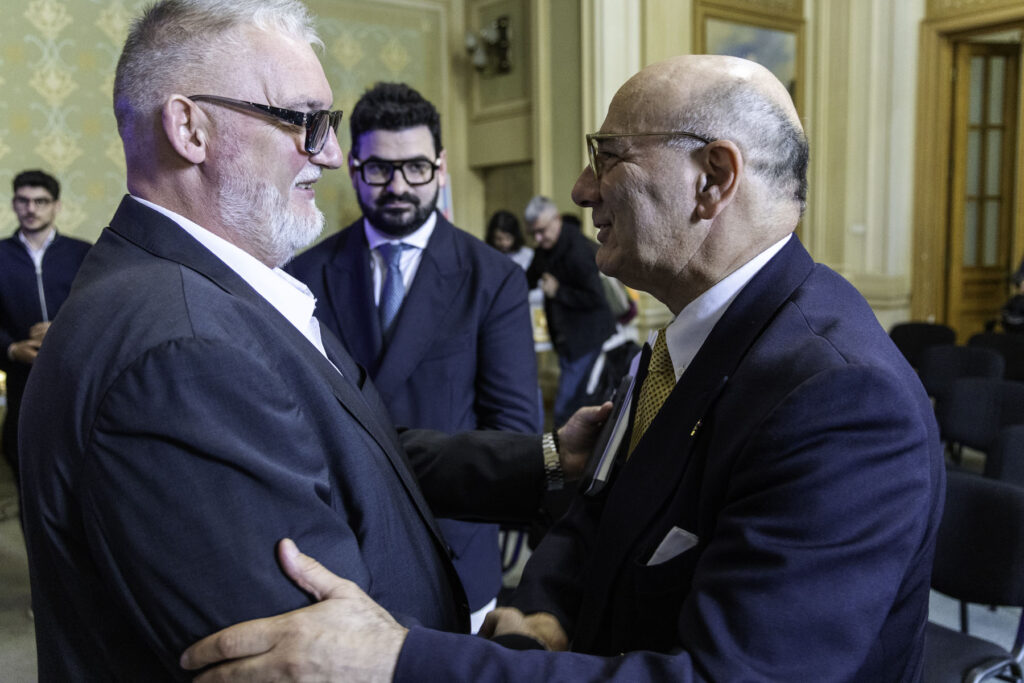
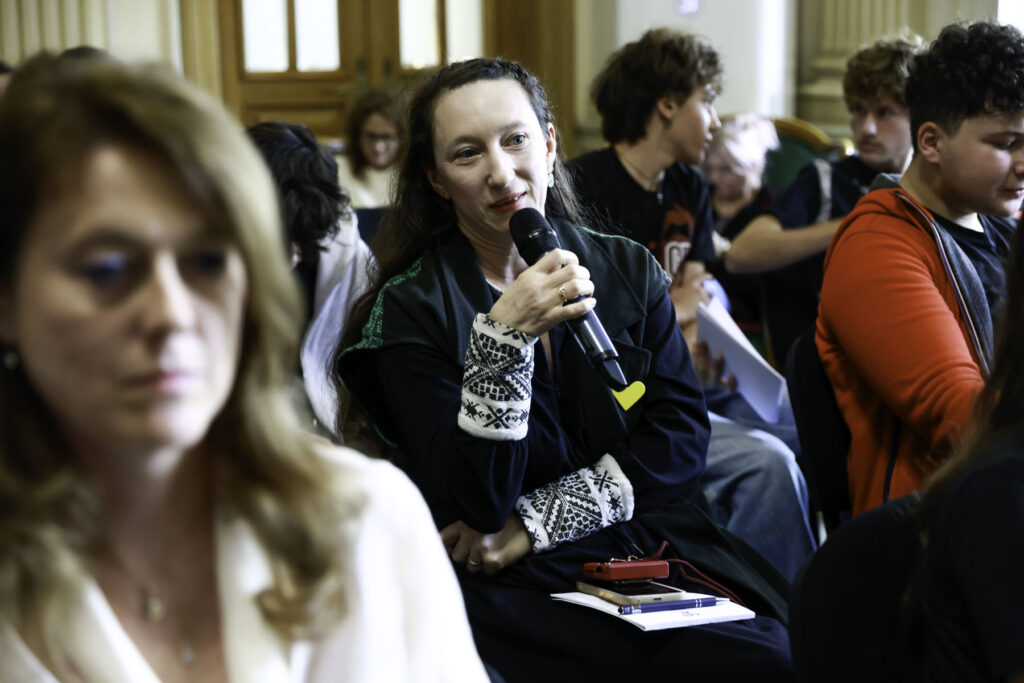
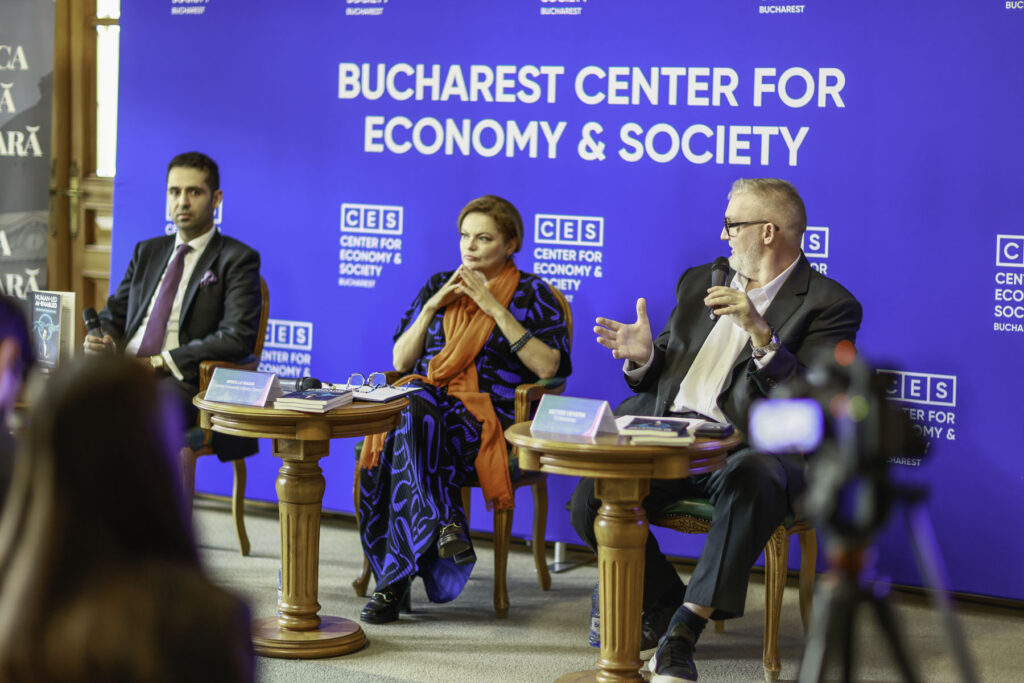
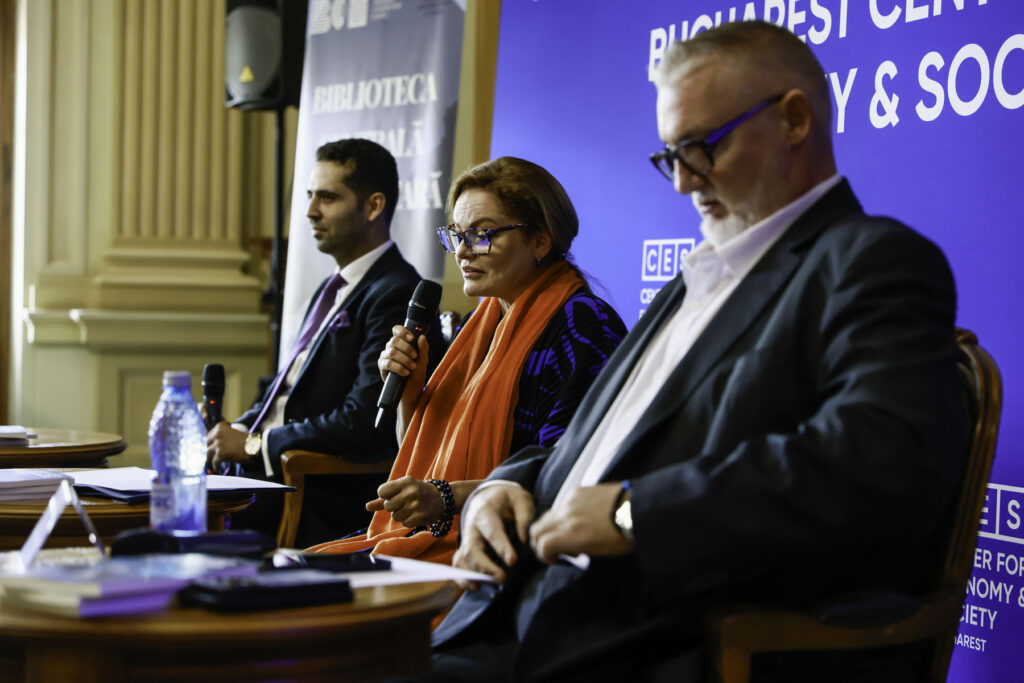
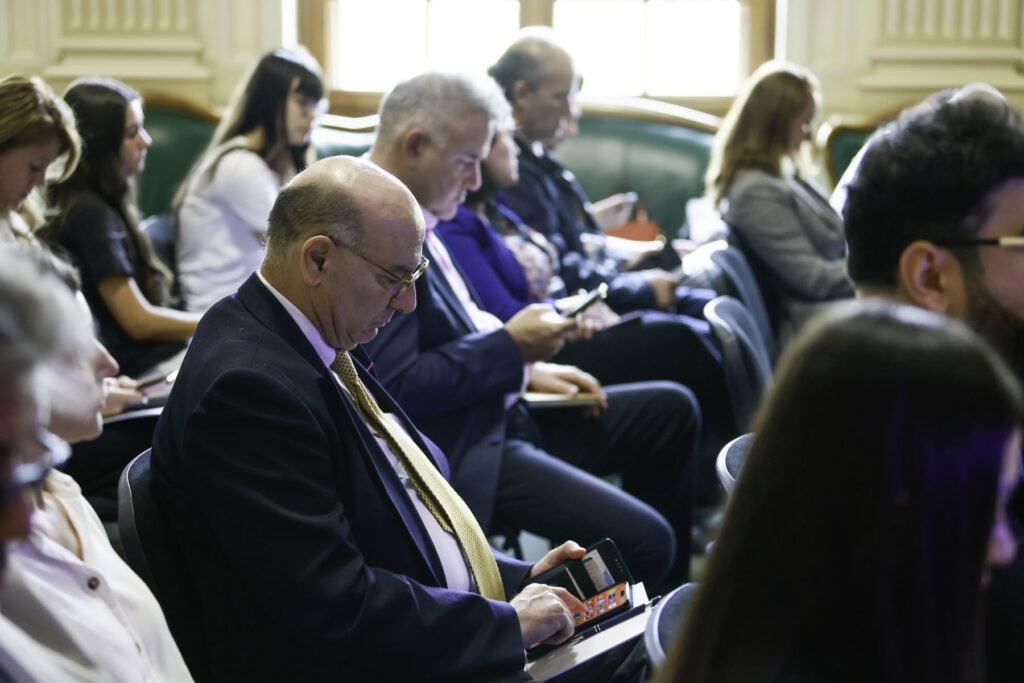
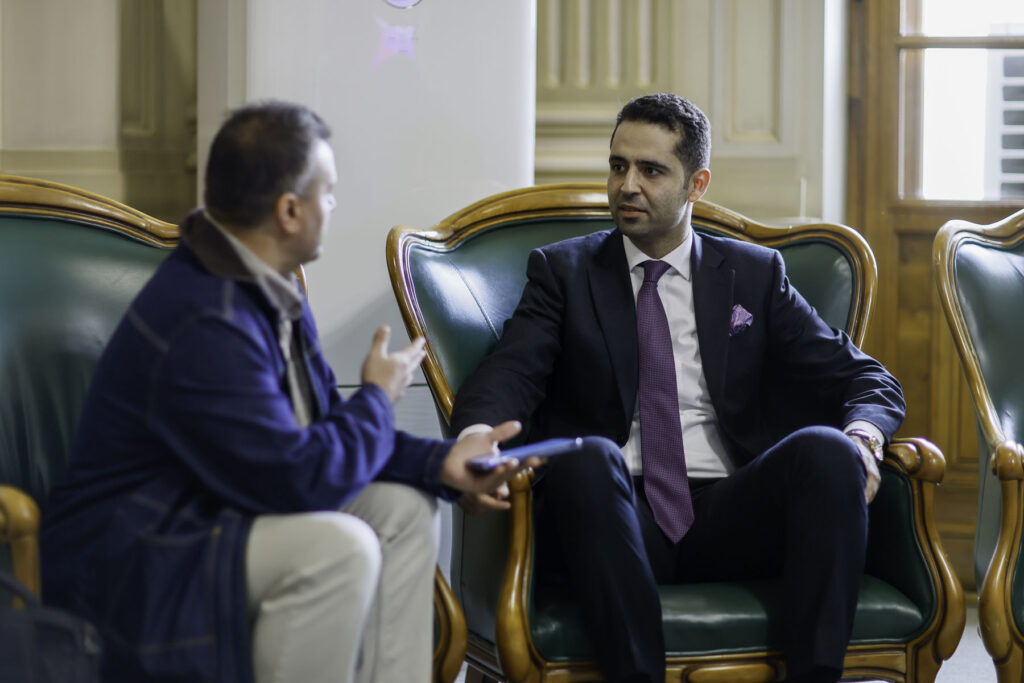
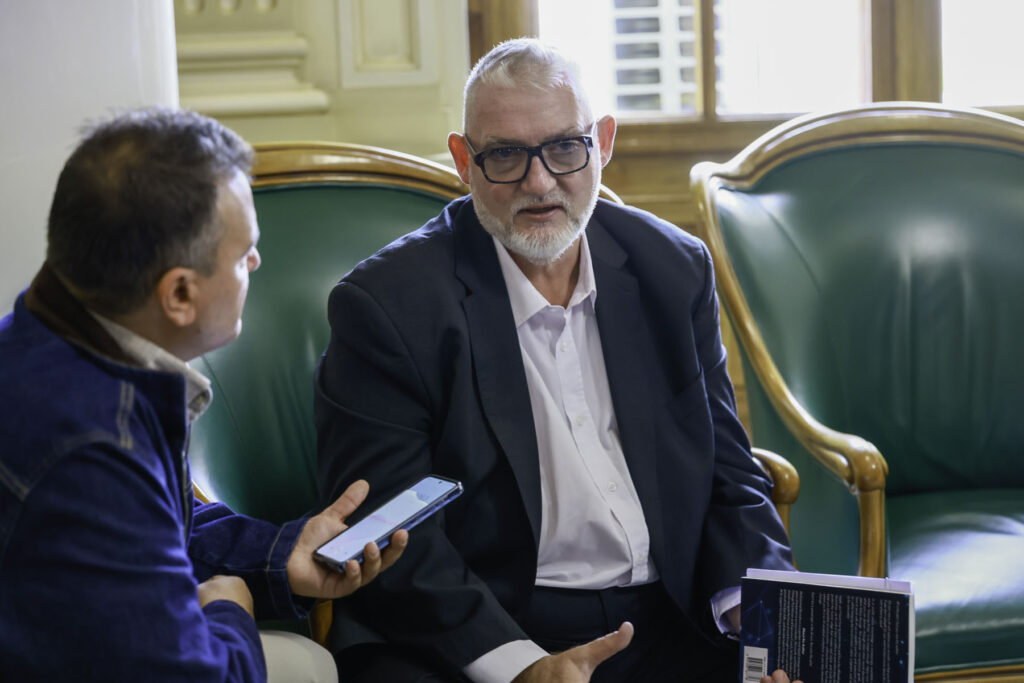
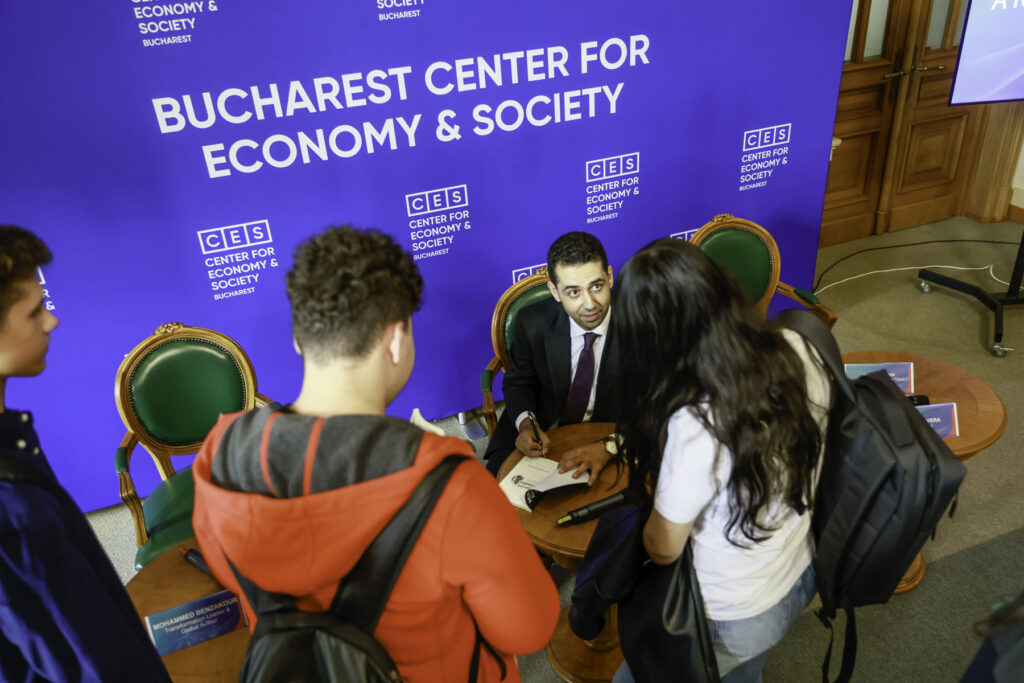
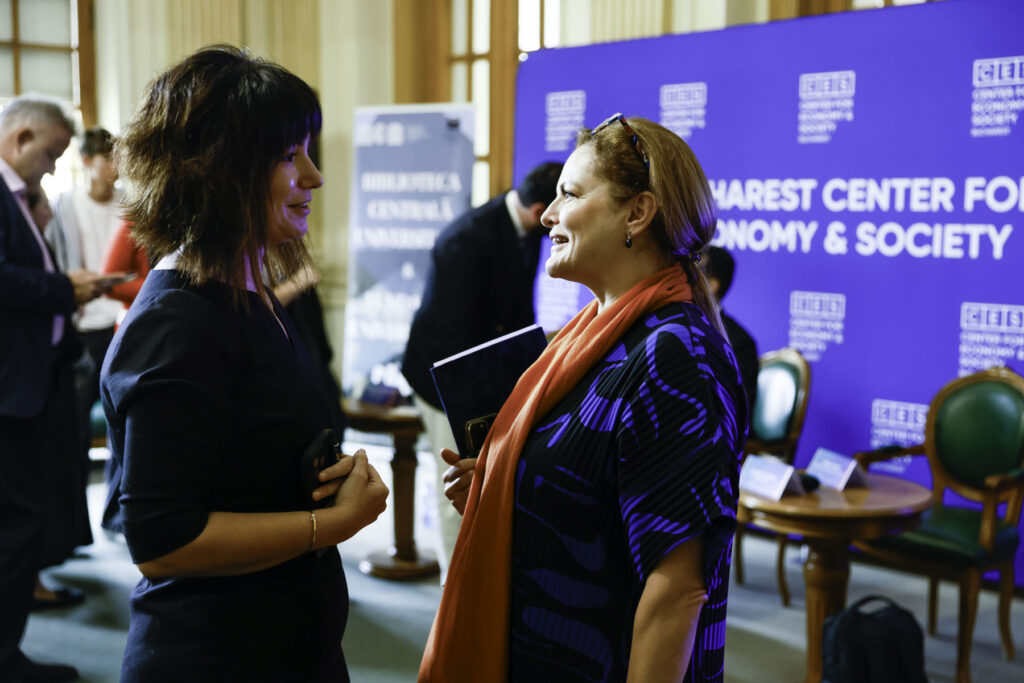
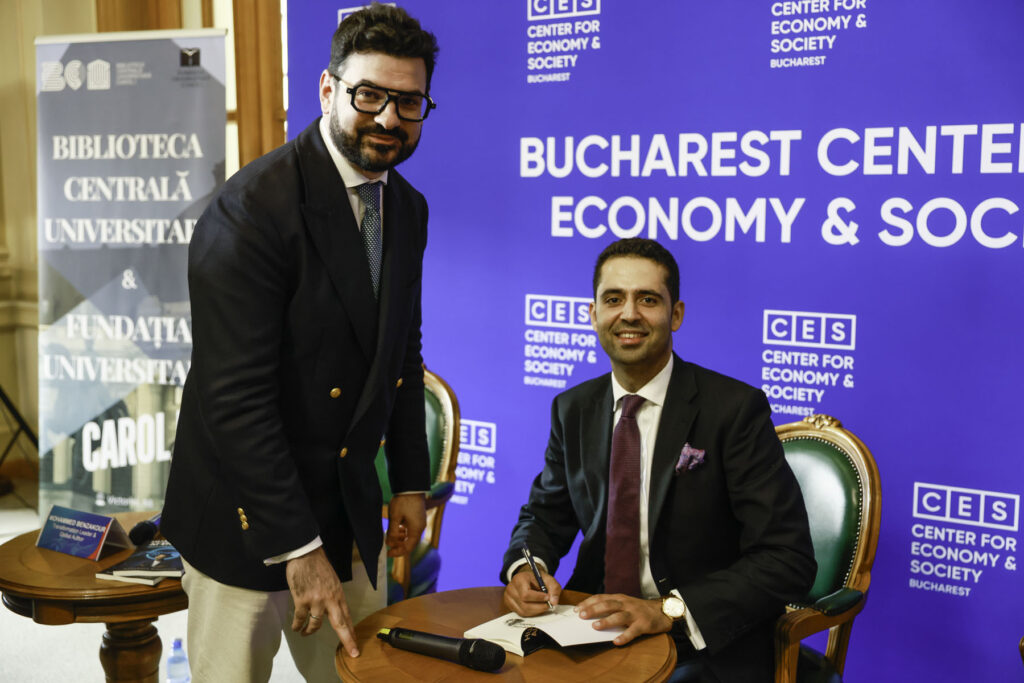
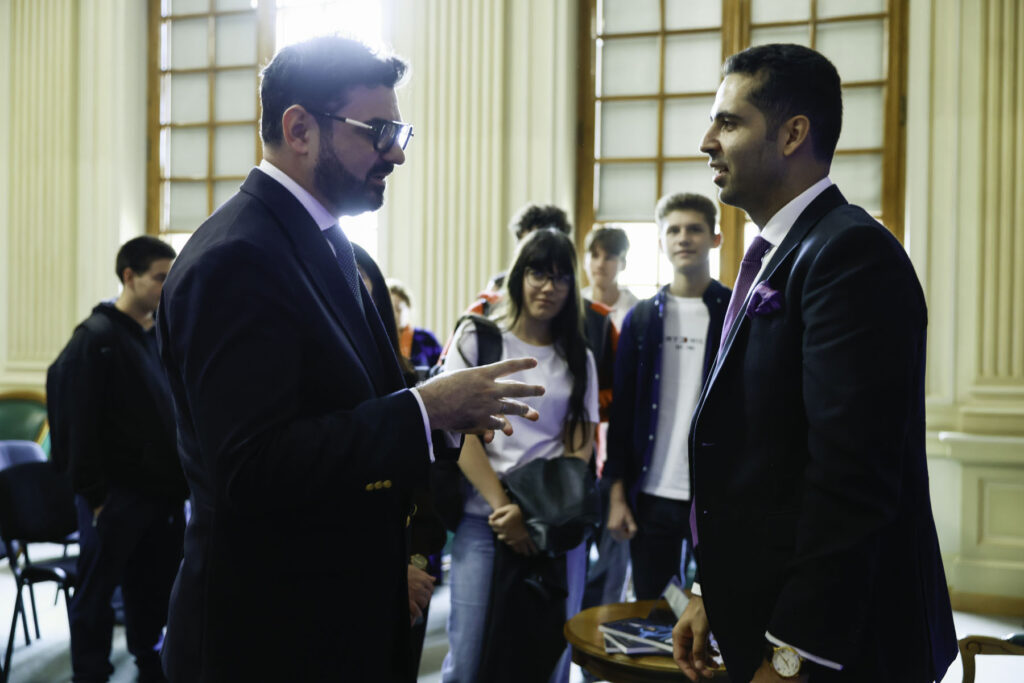
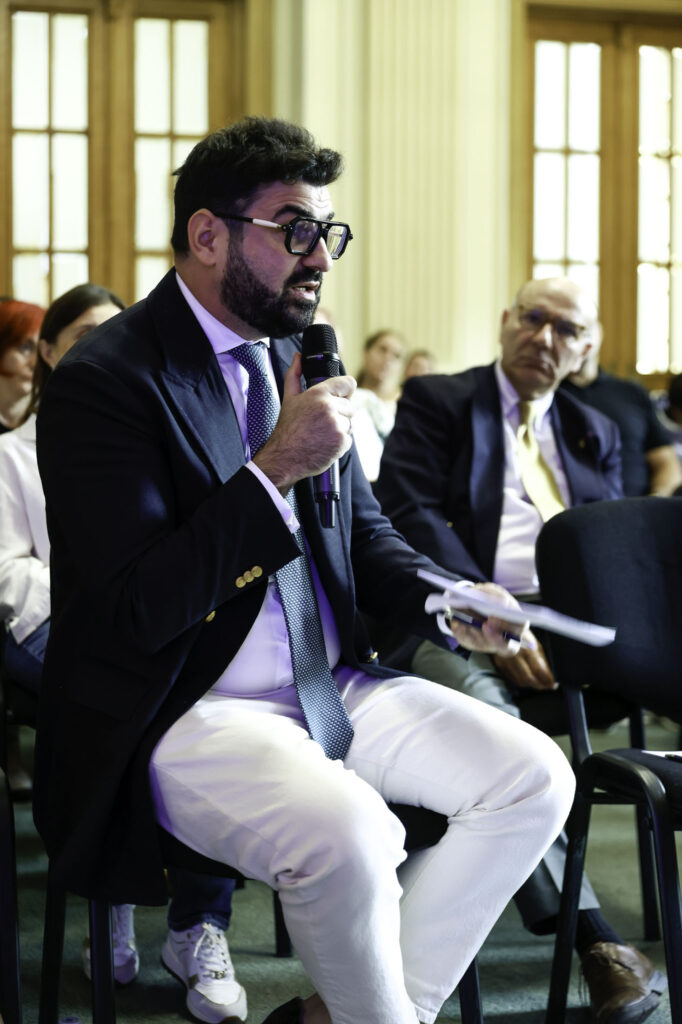
Organized by CES AI Institute in partnership with the Carol I Central University Library, “Human-Led, AI-Enabled: A Necessary Conversation” brought together international expertise and Romania’s research and technology perspectives to explore how organizations can turn AI adoption into meaningful transformation.
The discussion highlighted that AI adoption is not simply a technological challenge, but a question of leadership, organizational readiness and human responsibility. While AI can accelerate analysis and expand access to information, its value depends on how effectively organizations integrate it into workflows, develop the necessary skills and maintain clear accountability for decisions.
The event highlighted a shared perspective: real progress in AI requires more than access to technology. It depends on critical thinking, human-centred leadership, investment in skills and the institutional capacity to translate innovation into practical results.
CES AI Institute
Join now Romania’s cross-disciplinary AI learning program for business leaders and professionals!
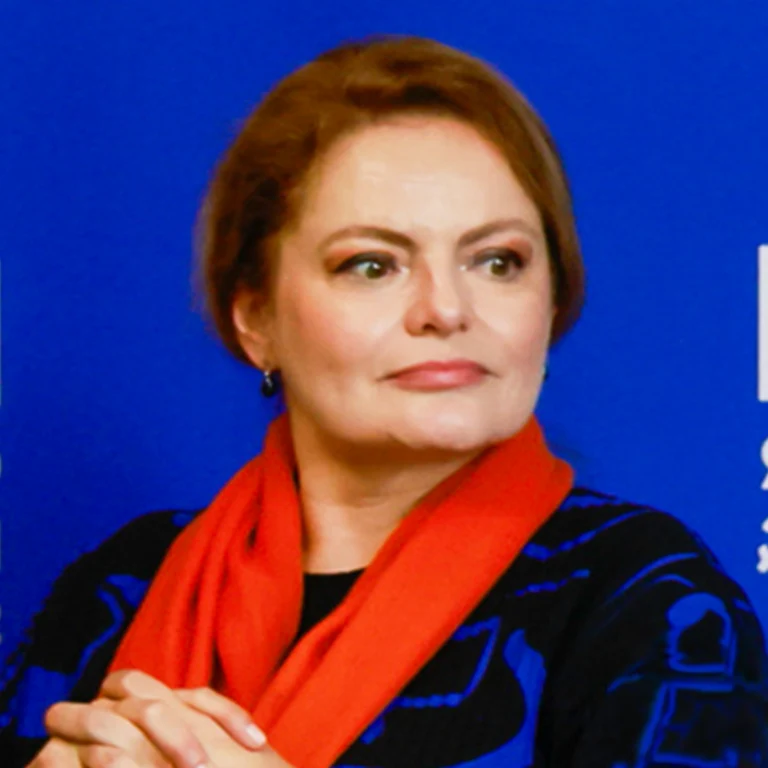
An answer generated by an AI system is fluent by design. This is not a secondary feature; it is at the very heart of the product. The text sounds confident, coherent and articulate regardless of whether the information it contains is accurate or invented. That is the starting point for any serious conversation about artificial intelligence: how do I recognize when an AI system is right and when it merely sounds like it is right? The human remains in charge, but this position is not guaranteed simply because a human remains somewhere in the equation. It has to be actively built through skills and critical thinking. You can delegate a task, but you cannot delegate responsibility for its consequences.
Mireille Radoi, General Director, Carol I Central University Library
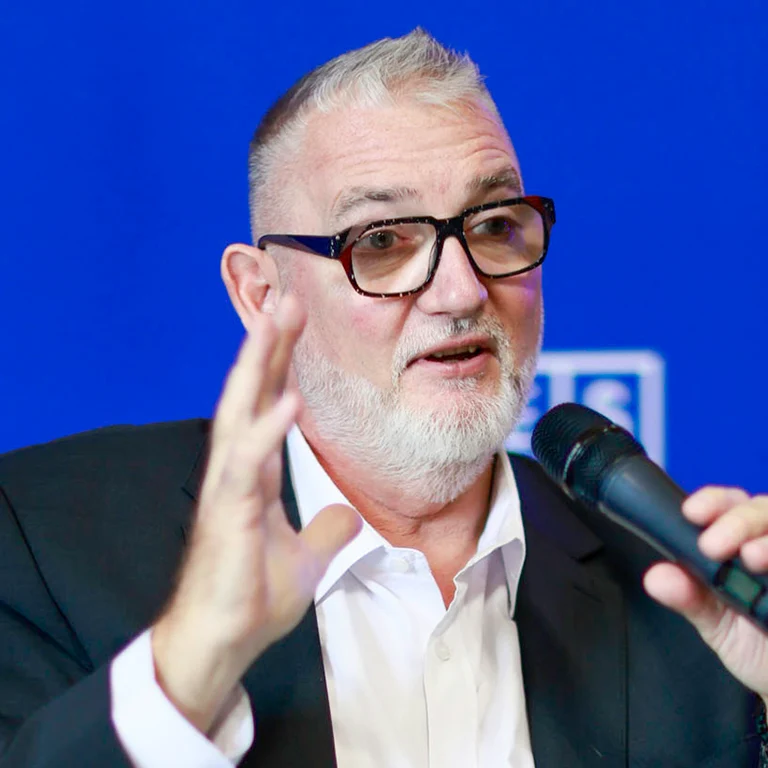
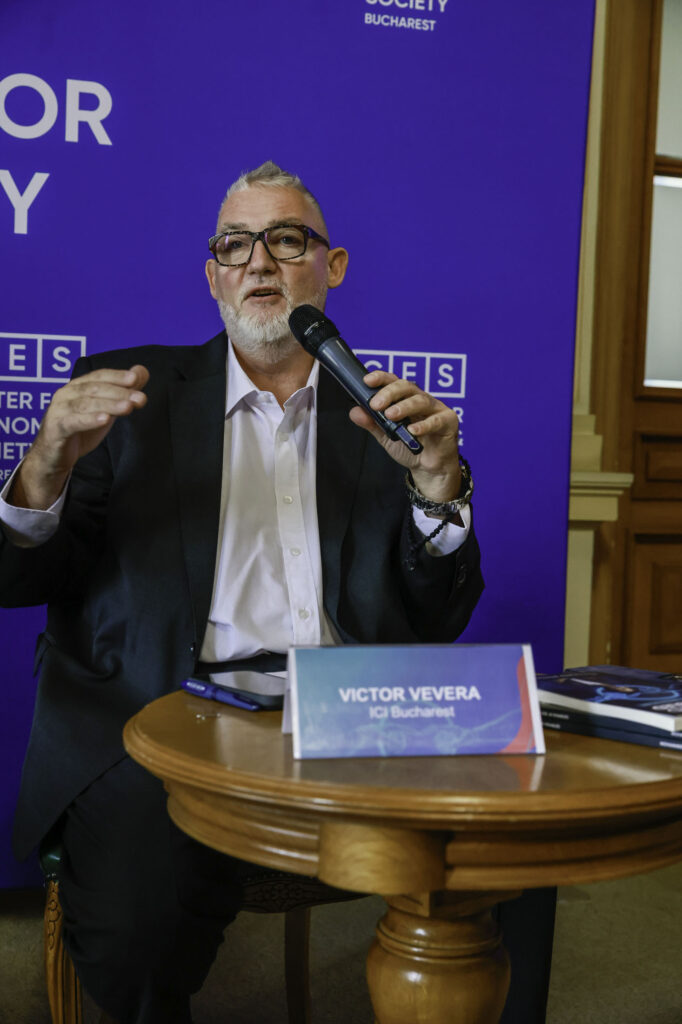
Today’s strategic challenge for organizations is to integrate AI into every operation through a long-term vision focused on competitiveness and purpose. An organization needs data it can use, computing power, and people who understand both the technology and the problem to be solved. It needs skills, cybersecurity and governance, and the ability to adopt technology without having to build the entire infrastructure from scratch. Today, gaining access to an AI application is relatively easy. Anyone can buy AI tools. Building real AI capability, however, is much more difficult, and we must understand the difference between building AI capacity and using AI as a service. That is why it is essential for a state to have its own infrastructure.
Adrian-Victor Vevera, General Director, National Institute for Research and Development in Informatics (ICI Bucharest)
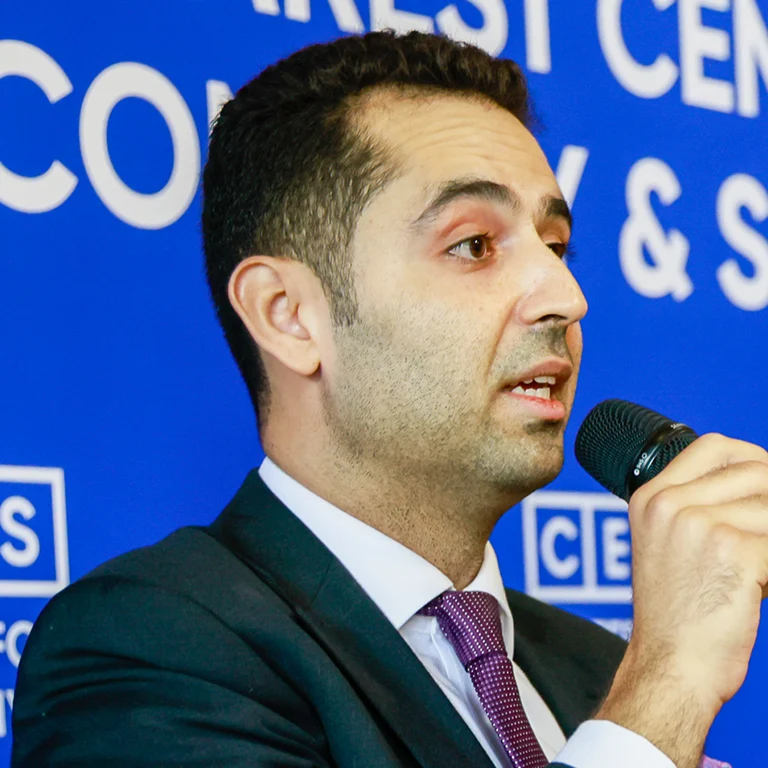
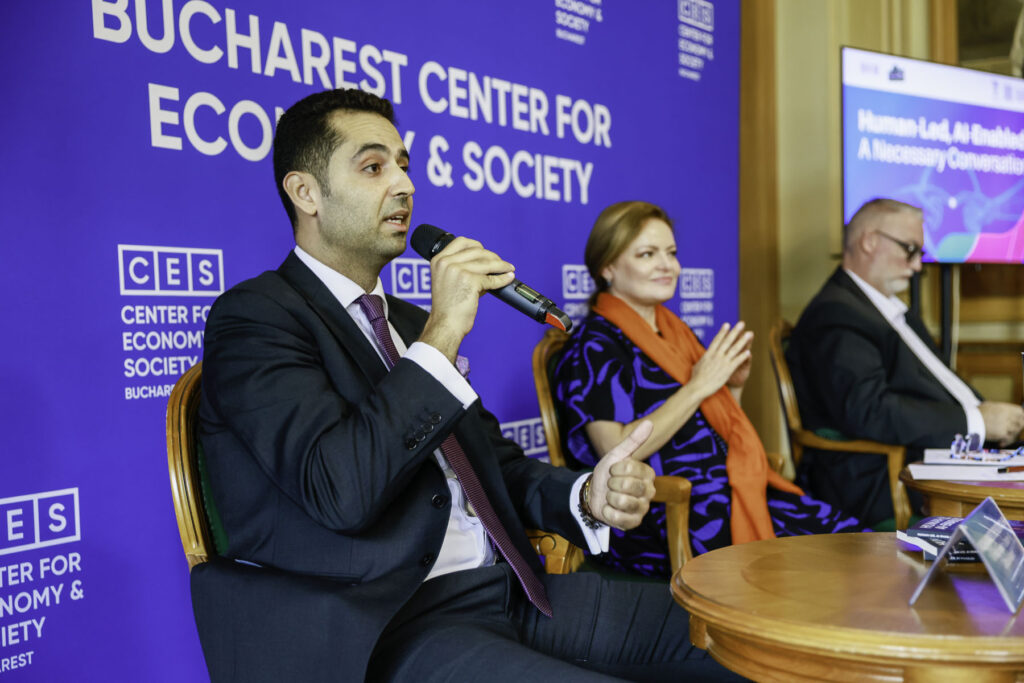
More than 80% of CEOs are optimistic about the value they get from AI, yet only a small share of organizations have seen meaningful results. The first step is to look at decisions: what do we delegate to AI, and what don’t we? Strategic decisions, such as major investments or promoting people in your organization, must remain human. Manual, repetitive tasks are a different matter. But many leaders have not clearly defined which decisions stay with their managers and teams. We need to redesign workflows that truly integrate AI into decisions, while making sure that humans stay accountable and responsible for the outcome. It is never the AI that will be responsible for the outcome.
Mohammed Benzakour, International Expert in Organizational Transformation and AI Adoption