
Electroalfa: From Resilience to Competitive Advantage. Driving Growth in Volatile Times
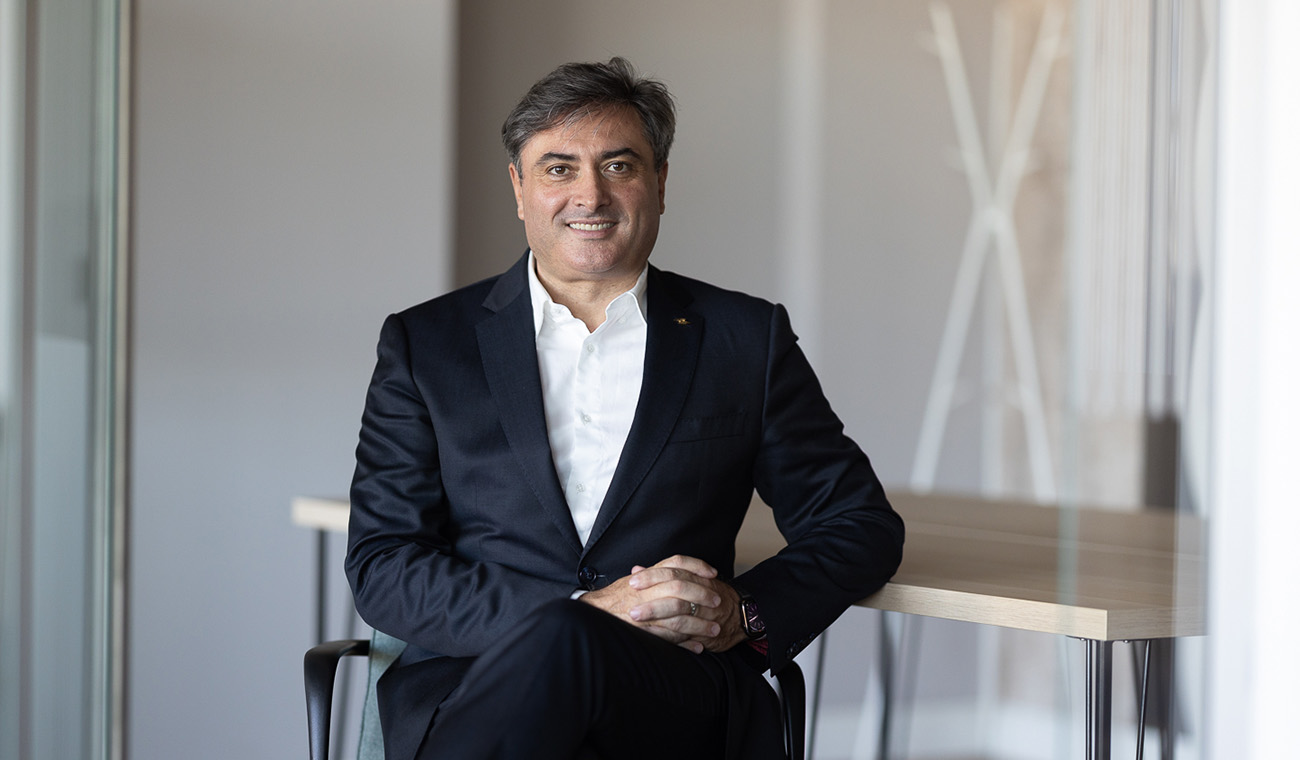
In an era marked by economic volatility, geopolitical pressure and rapid technological change, growth belongs to companies that can convert uncertainty into strategic advantage. In this CES Bucharest interview, Stefan Petrea, CEO of Electroalfa, a Romanian industrial group active in the energy, electrical equipment and critical infrastructure segments, explains how financial discipline, strong execution and a resilient organizational culture underpin long-term performance. Electroalfa CEO outlines how the company balances short-term financial results with investments in sustainability, digitalization and AI, how it rethinks skills and talent in an AI-driven labor market and why Romania’s strategic position on NATO’s Eastern flank could become a powerful growth engine for local industrial champions—if matched by predictability, partnerships and long-term vision.

Assets making the difference between a company that survives and one that grows in a fragile and volatile economic context
The difference stems from three concrete directions: financial discipline, execution capacity and organizational culture. Financial discipline means rigorous planning, cash-flow management and well-grounded investment decisions, elements that allow you to get through difficult periods without losing stability. Execution capacity means clear processes, defined responsibilities and strong partnerships with suppliers and clients, so that when an opportunity or a crisis arises, you can deliver quickly and accurately. Organizational culture is perhaps the least visible but the most enduring asset: a team that believes in continuous improvement, trusts its leaders, and is trained to solve problems transforms resilience into growth. In practice, we combine these elements with investments in people, digitalization and market diversification – all these have allowed us to turn external pressure into real opportunities.
Finding the right balance between investments in sustainability, AI and technology and the need for short-term financial results in the era of green transition and accelerated digitalization
We build this balance on the principle of prioritization and controlled testing: we select sustainability and digitalization projects that have a clear potential for efficiency gains or cost reduction, pilot them, measure the results, and only after proving their value do we scale them. For example, implementing SF6-free solutions or digital monitoring systems can bring both environmental benefits and medium-term operational savings. At the same time, projects with a quick payback support current cash flow. From a financial perspective, we manage these initiatives rigorously: we design scenarios, track performance indicators and identify external funding sources (European funds, partners) to ease the pressure on immediate profitability. In conclusion: we take calculated steps, invest in the future, but without compromising today’s financial health.
Repositioning to attract and retain the right people with the labor market undergoing rapid transformation
We are repositioning ourselves in two directions simultaneously: training and relevant projects. On one hand, we develop practical training programs (Alfa Academy), collaborate with high schools and universities, and offer clear career paths for young people, creating a steady flow of talent familiar with the specifics of the industry. On the other hand, we transform jobs by introducing technologies that eliminate repetitive tasks and raise the complexity of work toward higher-value activities. AI becomes a tool that amplifies skills rather than replacing them. For retention we offer impactful projects, real mentorship, modern working conditions, and opportunities for geographic mobility (new regional offices). I believe the most talented people stay where they find continuous learning, responsibility, and a sense of purpose in what they do.
Romania’s opportunity to turn its strategic position on NATO’s Eastern flank into a competitive advantage
The strategic position can be a major opportunity, but turning it into an advantage depends on predictability and coordination between public and private actors. Security, infrastructure, and energy projects attract investment and can generate demand for local products and services, but to capitalize on this context, we need clear standards, long-term planning, and easy access to financing. Romanian companies can respond by strengthening local supply chains, raising certification levels, and international collaborations that bring know-how. Electroalfa International is ready to participate in such programs, providing equipment and services that meet stringent standards; however, success will only come through a joint effort: coherent policies, investment in skills, and public-private partnerships that ensure implementation at scale and on time.