


CES Bucharest National Public Health Conference
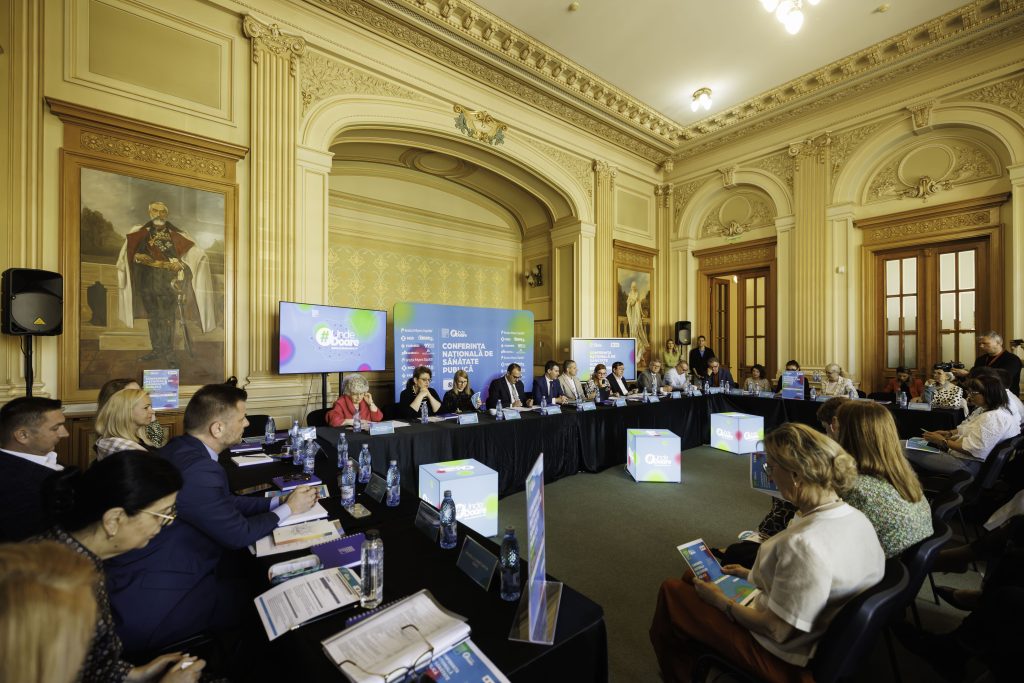
Carol I Central University Library Bucharest, May 28th
The Future of Healthcare in Romania: Prevention, Innovation and Sustainable Financing
Romania’s healthcare system is undergoing a period of profound transformation. While public investment in healthcare has reached unprecedented levels and major infrastructure projects are being implemented across the country, challenges related to prevention, health literacy, access to healthcare and long-term sustainability continue to place significant pressure on both patients and institutions.
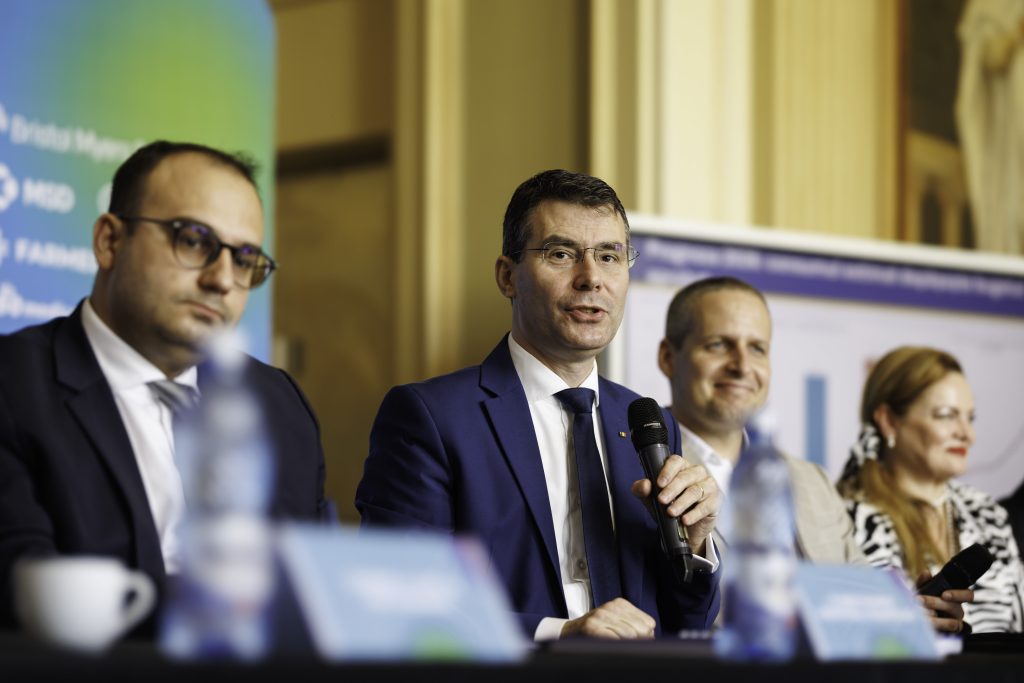
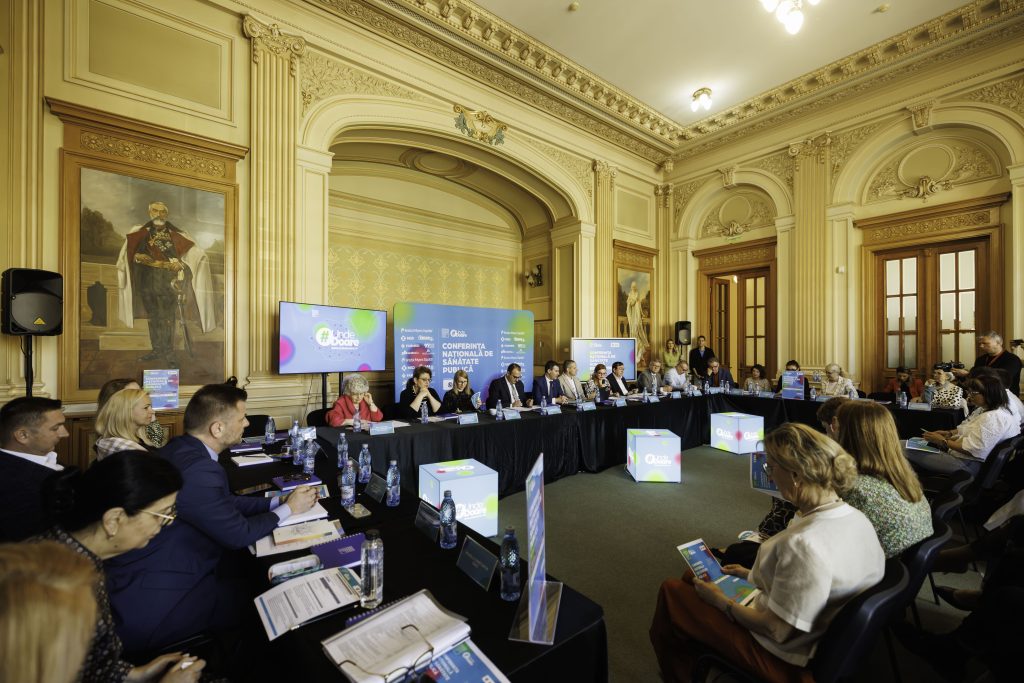
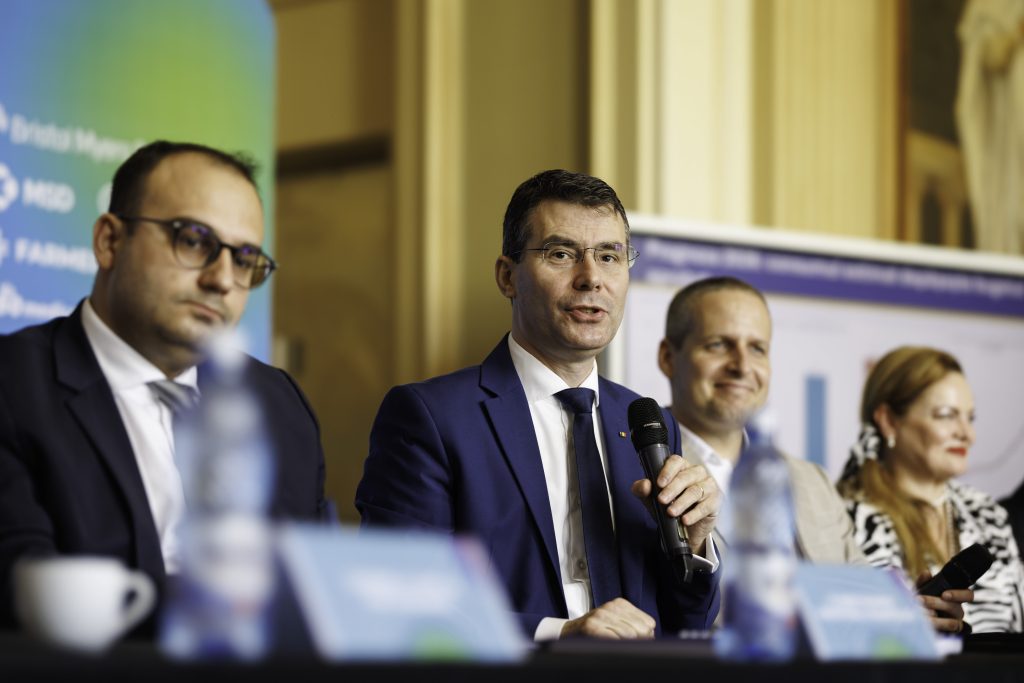
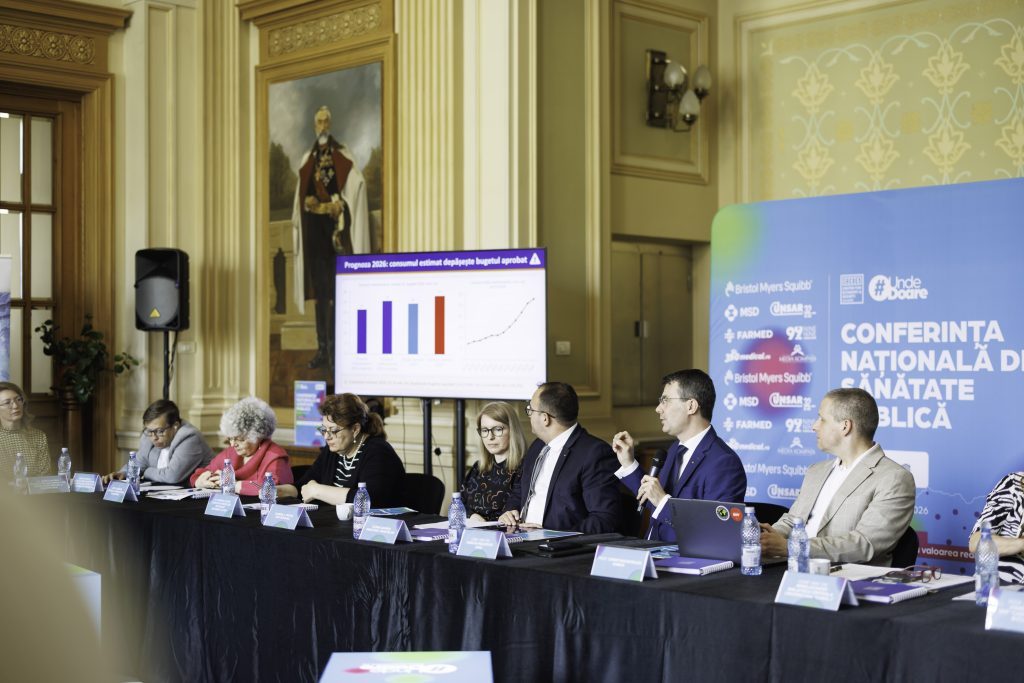
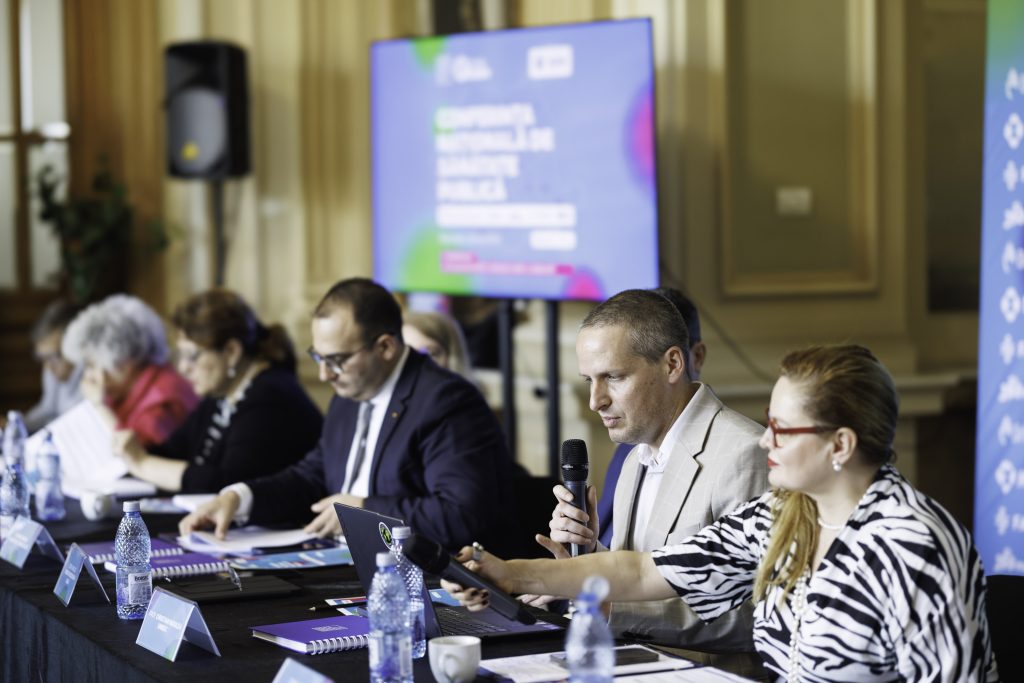
To explore these challenges and the collaboration mechanisms needed to address them, CES Bucharest organized the National Health Conference in Bucharest, bringing together representatives of public authorities, academia, healthcare professionals, patient organizations, insurers, pharmaceutical companies, experts and mass-media representatives
The discussions highlighted a common understanding that healthcare sustainability cannot be achieved solely through increased spending. Participants emphasized the need for structural reforms focused on prevention, early diagnosis, performance-based financing and stronger collaboration between public and private stakeholders.
Particular attention was given to strengthening primary care, expanding screening programmes and improving health literacy as essential tools for reducing the burden of disease and improving long-term patient outcomes.
Speakers also explored the role of healthcare financing, private health insurance, access to innovative therapies, infrastructure development and digital transformation. While Romania is implementing the largest healthcare investment programme in its history, participants stressed that infrastructure and technology must be accompanied by better coordination, interoperable systems and policies designed around the needs of patients and communities.
The conference concluded with broad consensus around several priorities for the coming years: strengthening prevention and early diagnosis, improving healthcare literacy, expanding access to innovation, modernizing healthcare infrastructure and implementing financing models focused on efficiency, performance and patient outcomes. By bringing together key voices from across the healthcare ecosystem, the National Health Conference provided a platform for constructive dialogue on the reforms needed to build a more accessible, resilient and sustainable healthcare system in Romania.
Click here for CES Health: Applied Multi-Stakeholder Dialogue – My e-Health National Digital Platform
Horatiu Moldovan
Florin Zaharia
Catalin Radu
Gabriela Trifon
Prof. univ. dr. Viorel Jinga
Vlad Mixich
Radu Ganescu
Dr. Maria Barbu
Iolanda Gheorghiu
Arh. Raluca Soaita
Dr. Sandra Alexiu
Conf. univ. dr. Mireille Radoi
Oana Stan
Conf. univ. dr. Adrian Pana
Horatiu Moldovan
Catalin Radu
Gabriela Trifon

The sustainability of the healthcare system cannot be ensured merely by increasing resources, but through a paradigm shift in how performance and funding are evaluated. Romania needs a model that rewards quality of care, efficiency and patient outcomes, not just the volume of services provided. Hospital financing must gradually move toward mechanisms that support performance, integrated services and a real response to the population’s healthcare needs. At the same time, the pharmaceutical market requires stability and predictability. Pricing and reimbursement mechanisms must be reformed on transparent and sustainable principles in order to ensure both patient access to innovation and the financial balance of the system.
Horatiu Moldovan, President National Health Insurance House (CNAS)

In oncology and chronic diseases, time is critical: every delay can directly affect a patient’s chances of survival. Faster access to innovative therapies means not only additional years of life for patients, but also lower costs generated by complications and repeated hospitalizations.
Catalin Radu, General Manager, Bristol Myers Squibb Romania
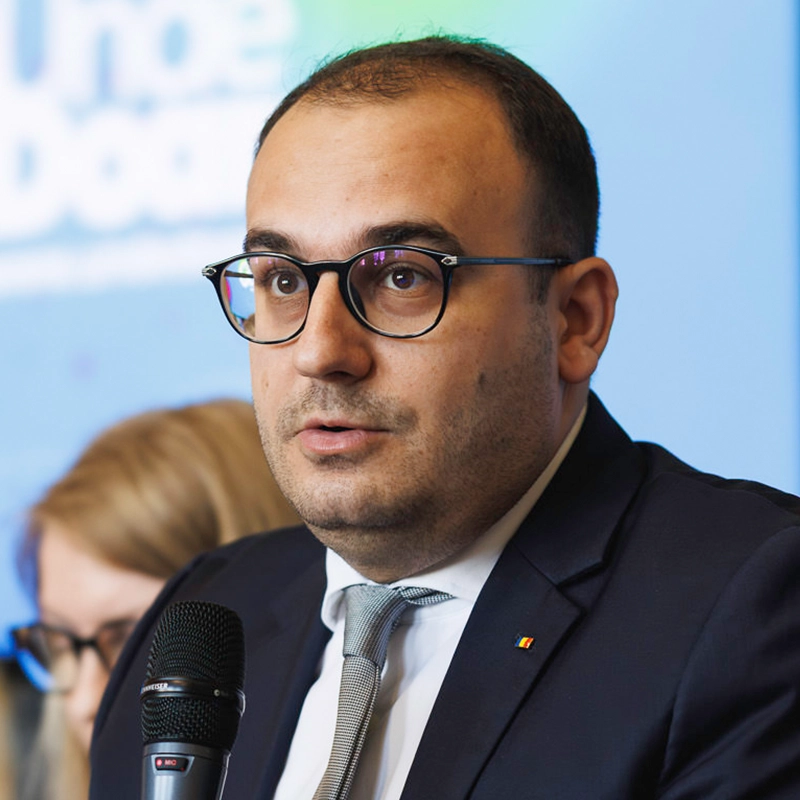
Romania’s healthcare system has undergone an unprecedented structural transformation over the past decade. The combined budget of the Ministry of Health and CNAS exceeded RON 100 billion in 2025 and remains at the same level in 2026. This is the highest level in the history of Romania’s healthcare system. However, absolute figures do not tell the whole story — what matters is the direction: between 2014 and 2024, healthcare expenditure per capita increased by 155%, the highest growth rate recorded in the European Union.
Florin Zaharia Secretary of State, Ministry of Finance

Too often, when discussing a new hospital, the first question is how many beds it will have. That question should come much later. Before anything else, we need to understand how healthcare services are organized, how patients move through the system and how infrastructure supports those journeys.
Vlad Mixich Senior Health Infrastructure Expert, European Investment Bank (EIB)

There are currently many screening programs underway, including colorectal cancer screening, prostate cancer screening, breast cancer screening, and cervical cancer screening. These programs should not exist only when European funding is available. While European funds are extremely valuable and help reduce pressure on national budgets, in the future these initiatives must become permanent, institutionalized national programs rather than temporary projects. Prevention is the most cost-effective way to reduce the number of future patients.
Univ. prof. dr. Viorel Jinga Rector, “Carol Davila” University of Medicine and Pharmacy, Bucharest.
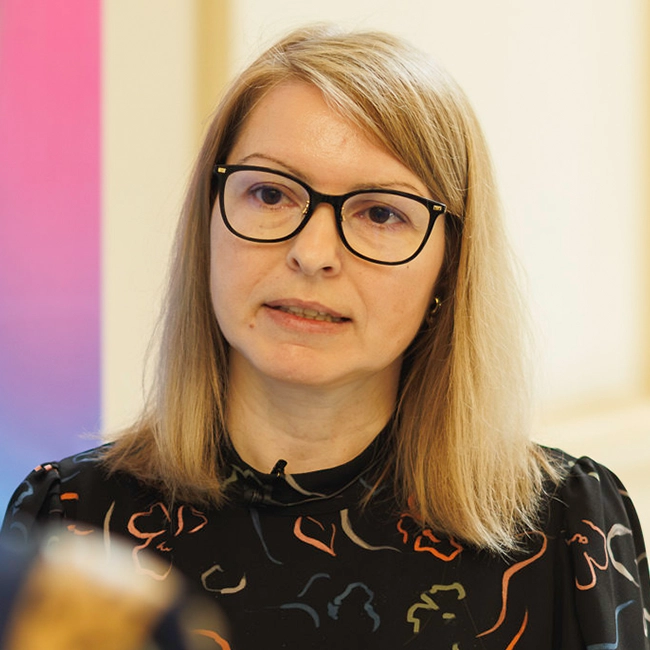
The current challenge lies in optimizing implementation and removing barriers to access, transforming granular data into system intelligence through mechanisms such as call-recall systems, which enable the identification and active engagement of the population within preventive healthcare pathways. In this ecosystem, education and awareness campaigns become essential drivers for ensuring the sustainability and effectiveness of these healthcare policies.
Gabriela Trifon Associate Director Communications & CSR, MSD Romania
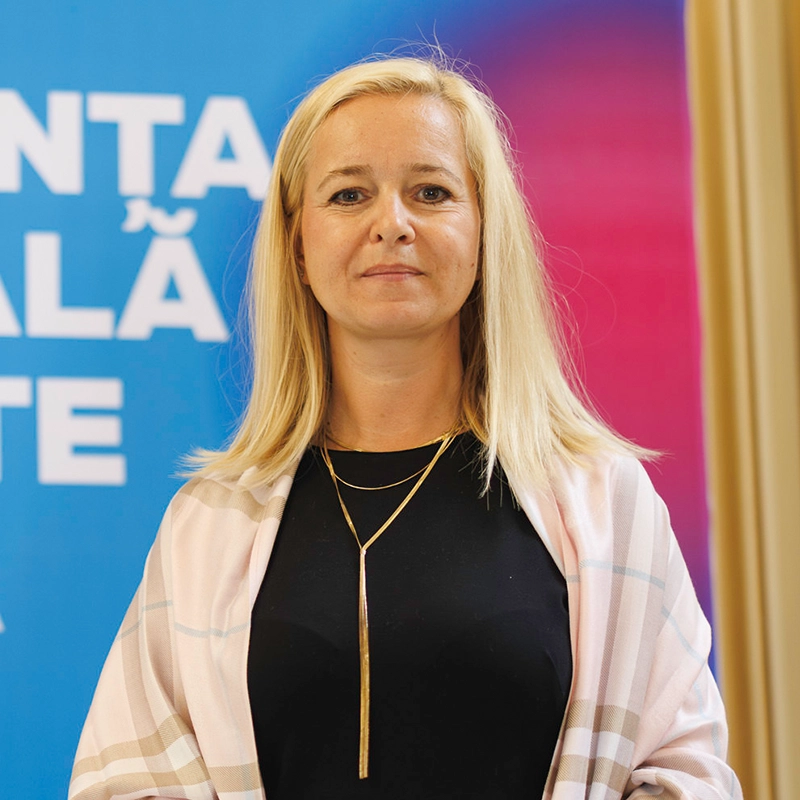
I strongly believe that the development of private health insurance is essential for balancing Romania’s healthcare system by reducing pressure on the public sector and improving access to prevention and quality healthcare services. For this sector to develop sustainably, a clear legislative and competitive framework is needed, alongside increased tax deductibility and genuine partnerships between insurers, healthcare providers and authorities, always keeping the patient at the center of the ecosystem.
Oana Stan Director, Health Underwriting Division, OMNIASIG

Hospitals should no longer be designed as real estate projects. They are ecosystems where patients, healthcare professionals, visitors and operational teams interact every day. Understanding these relationships is fundamental to building healthcare infrastructure that truly serves communities.
Arh. Raluca Soaita Founder, TESSERACT ARCHITECTURE

Prevention and early diagnosis must become genuine priorities for the healthcare system, because they can reduce both the burden of disease and the financial pressure on the system.
Radu Ganescu President, Coalition of Organizations of Patients with Chronic Diseases (COPAC)
The conference brought together key stakeholders from across Romania’s healthcare and educational ecosystem, including Horatiu Moldovan (National Health Insurance House – CNAS), Florin Zaharia (Ministry of Finance), Prof. Dr. Viorel Jinga (Carol Davila University of Medicine and Pharmacy Bucharest), Assoc. Prof. Dr. Adrian Pana (National Institute of Public Health – INSP), Dr. Maria Barbu (Romanian National Society of Medical Oncology), Sergiu Pantea (National Institute of Geriatrics and Gerontology “Ana Aslan”), Vlad Mixich (European Investment Bank), Conf. Univ. Dr. Mireille Radoi – Central University Library Carol I, Catalin Radu (Bristol Myers Squibb Romania), Raluca Soaita (TESSERACT ARCHITECTURE), Oana Stan (OMNIASIG Vienna Insurance Group / UNSAR), Gabriela Trifon (MSD Romania), Dr. Sandra Alexiu (Bucharest–Ilfov Family Physicians Association), Anca Crupariu (Romanian College of Pharmacists), Radu Ganescu (Coalition of Patient Organizations with Chronic Diseases in Romania – COPAC), Dr. Alina Moldovan (Farmed), Iolanda Gheorghiu (Romanian Oncology Patients Association – APOR), Prof. Christian Nasulea – UNIBUC and Dan Miclea (Media Kompass / 360 Medical).
Media Highlights


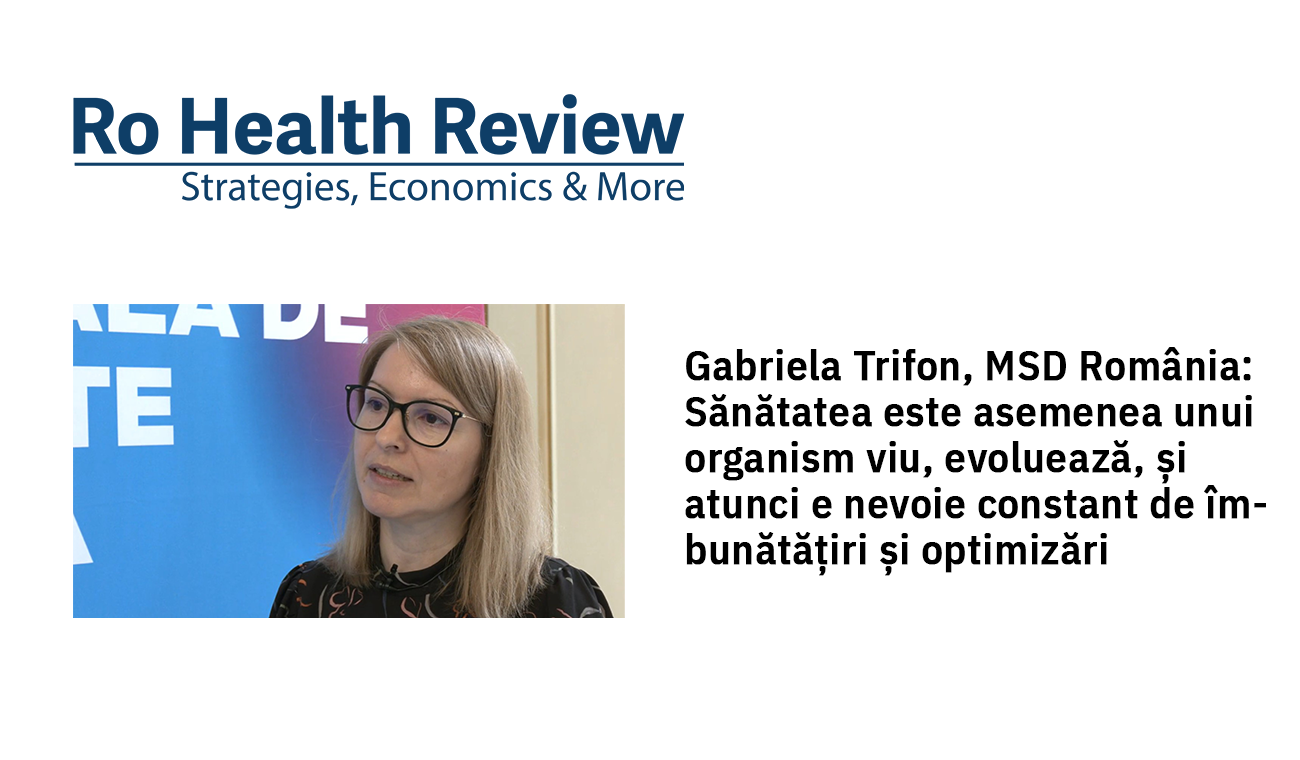


Photo Gallery






CES HEALTH
Connecting people with clear medical information and Romania’s healthcare infrastructure